EARTH TESTIMONIES
in colaboration with Camila Proto
multimedia installation and essay-film
2024
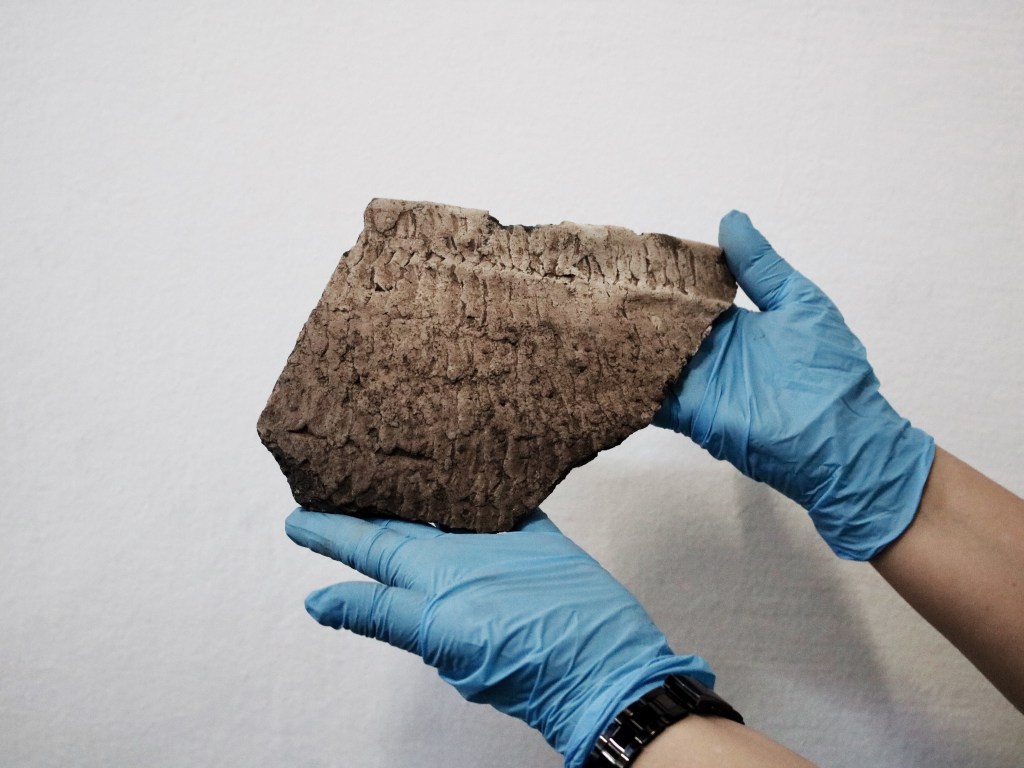
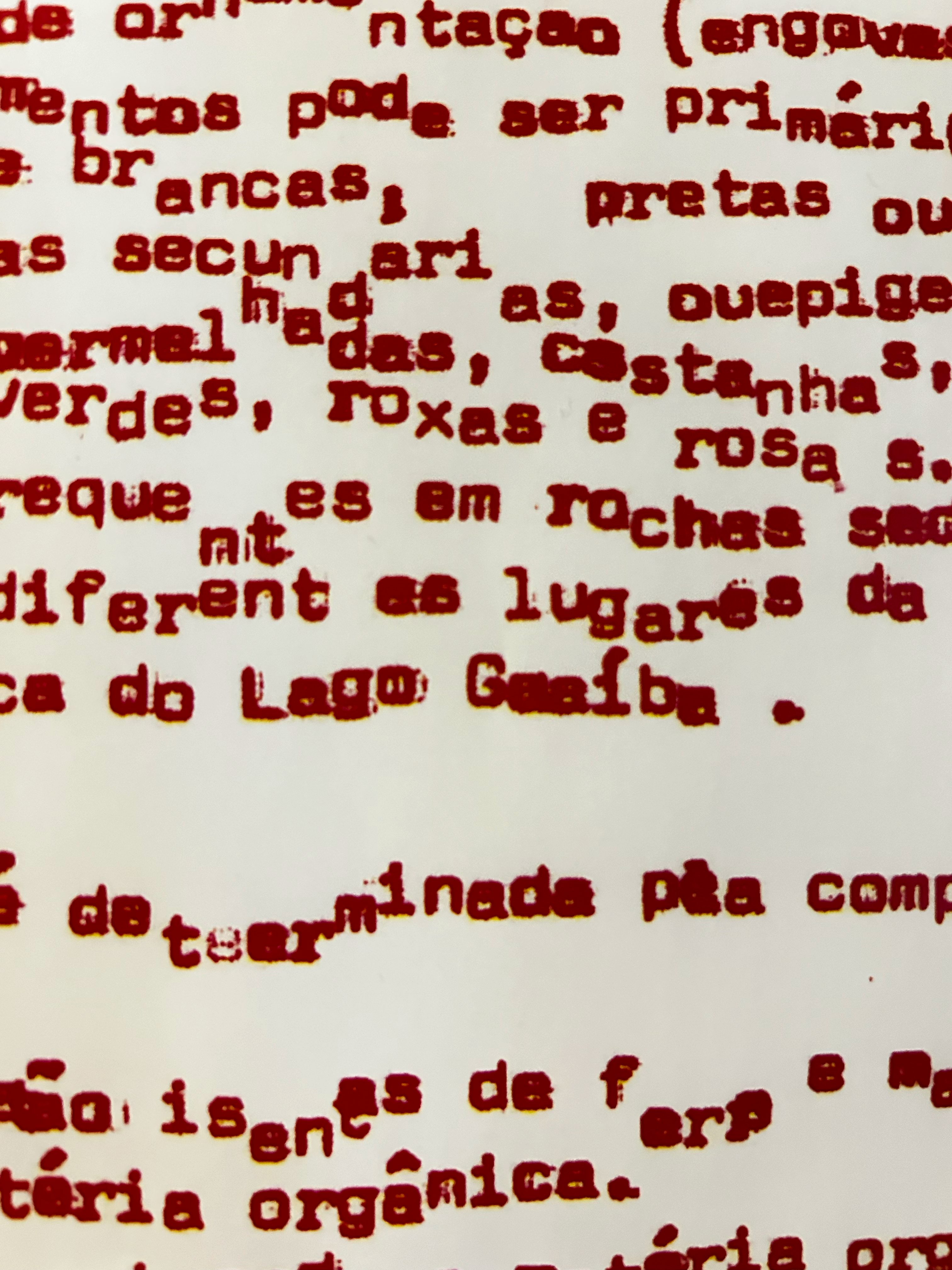
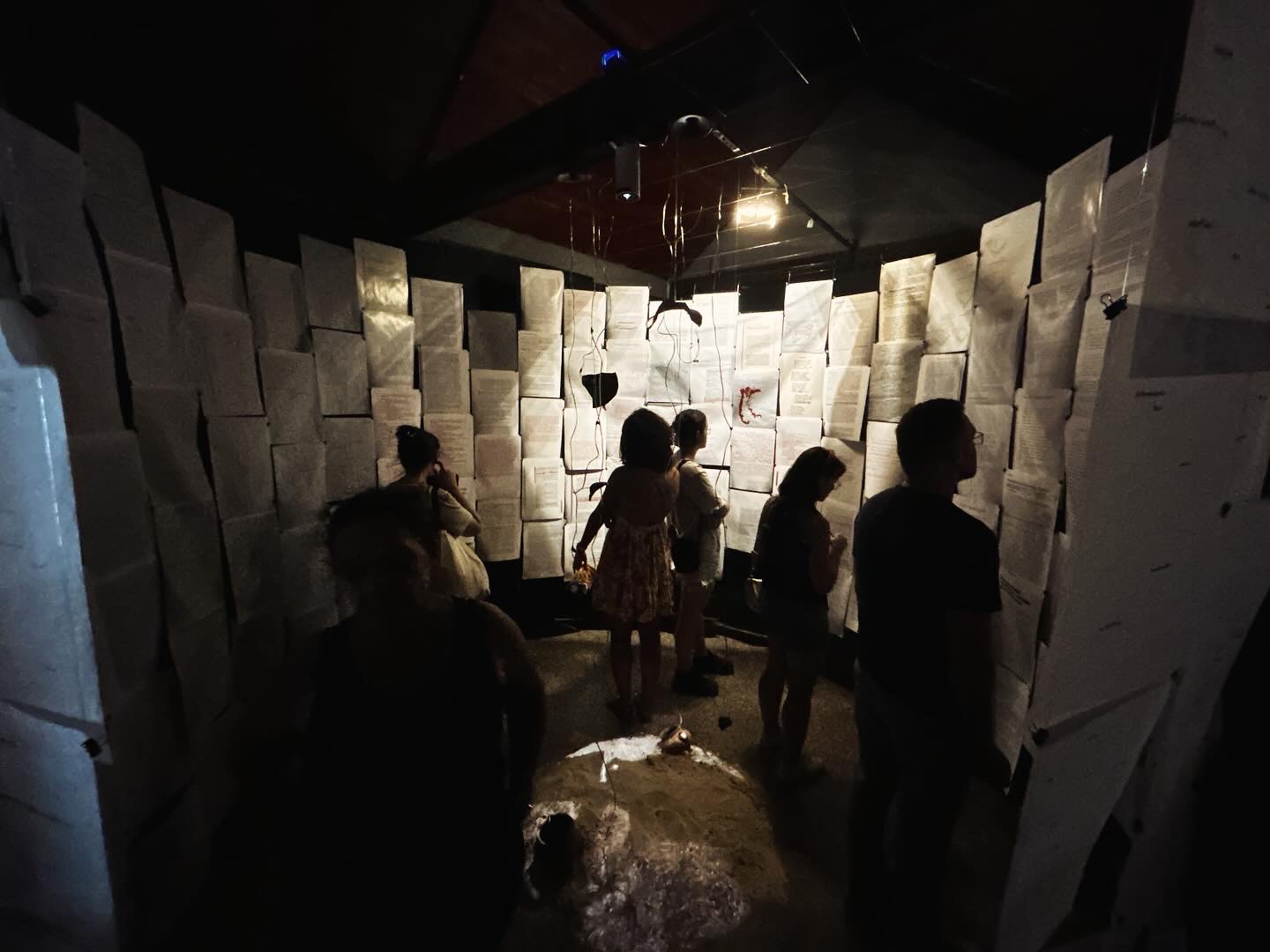
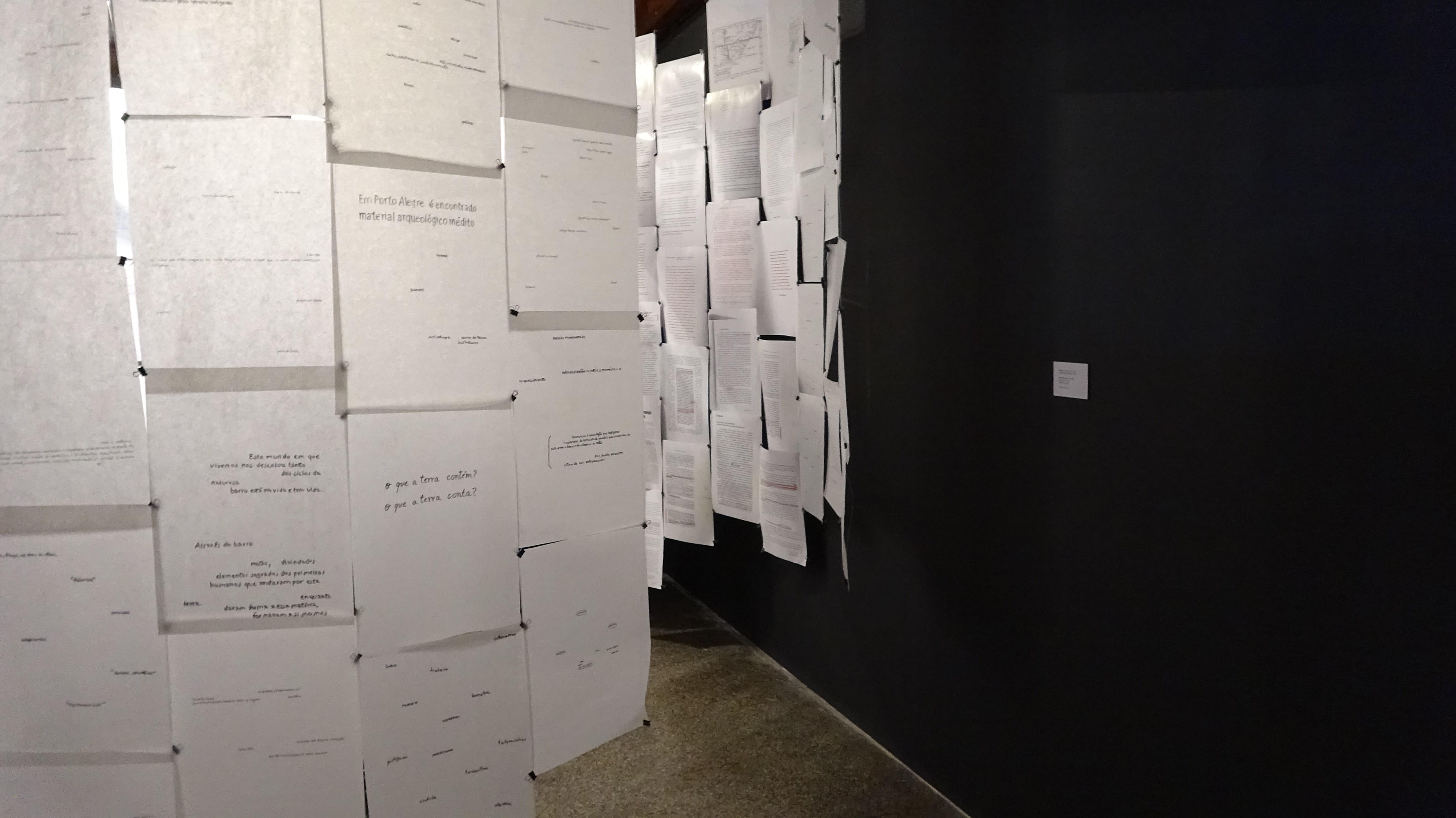
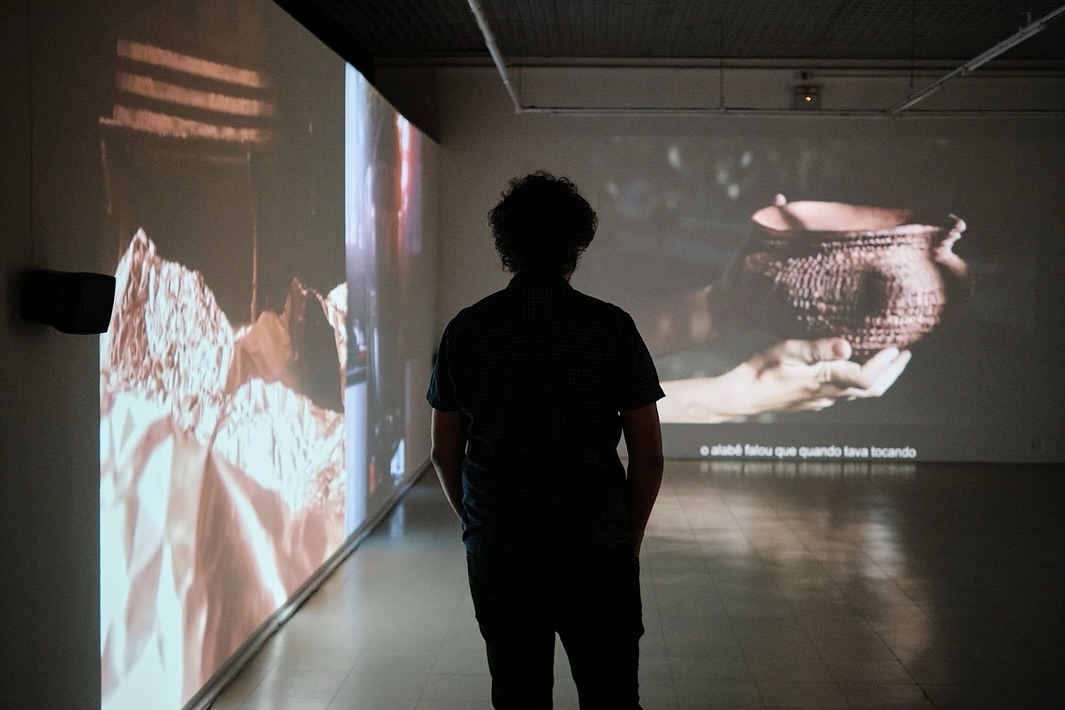
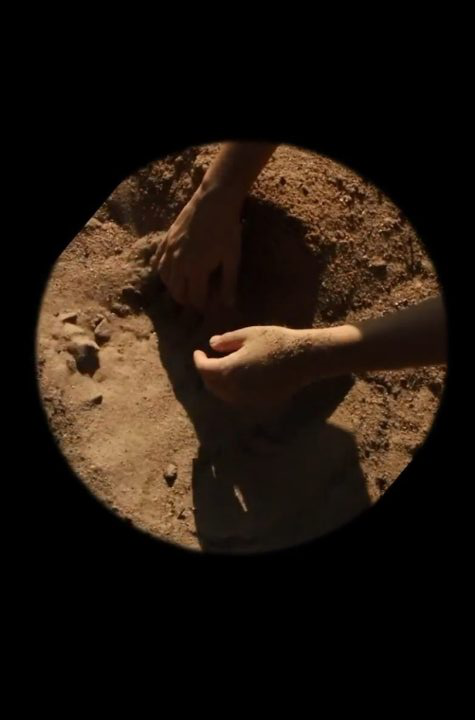
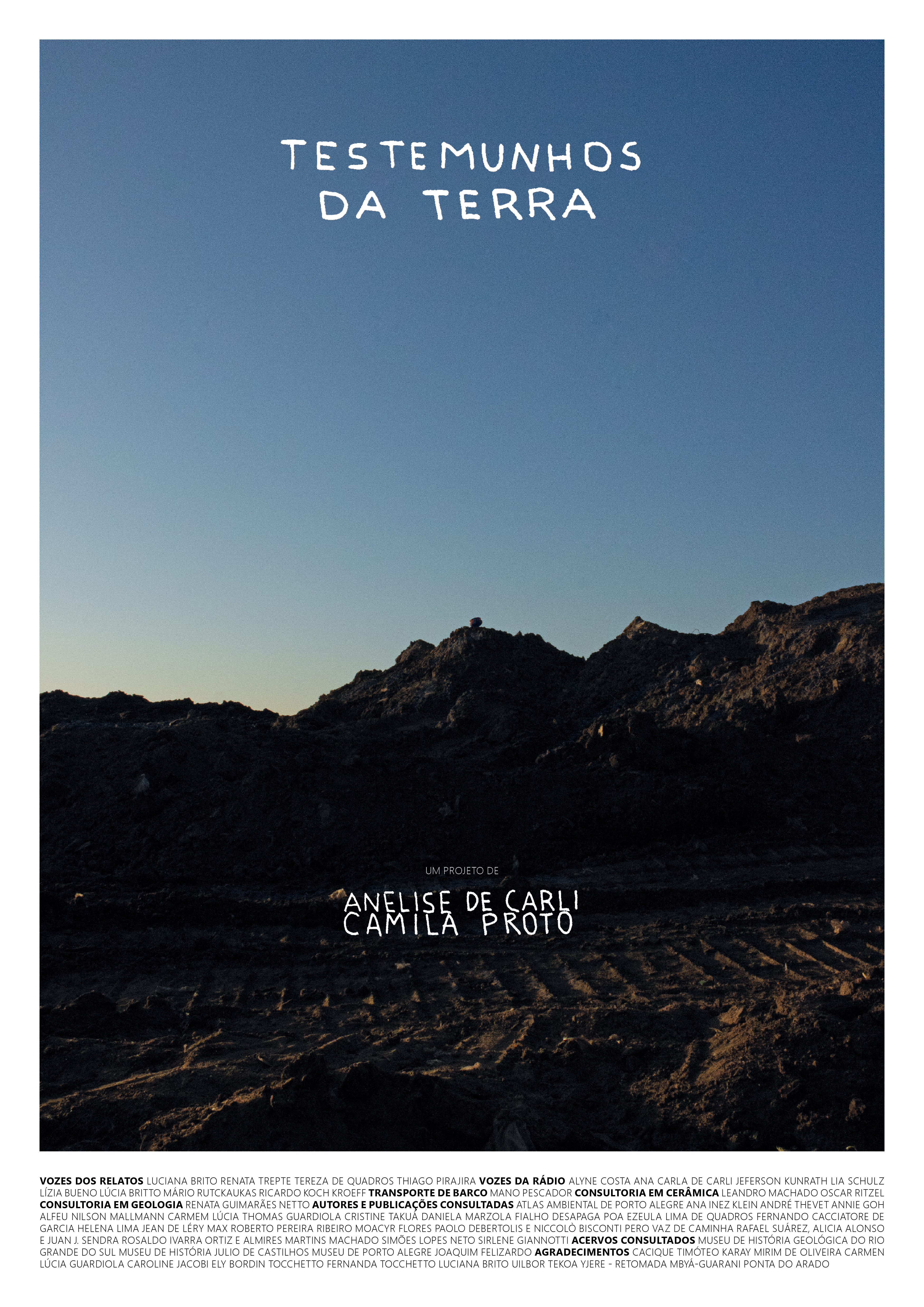
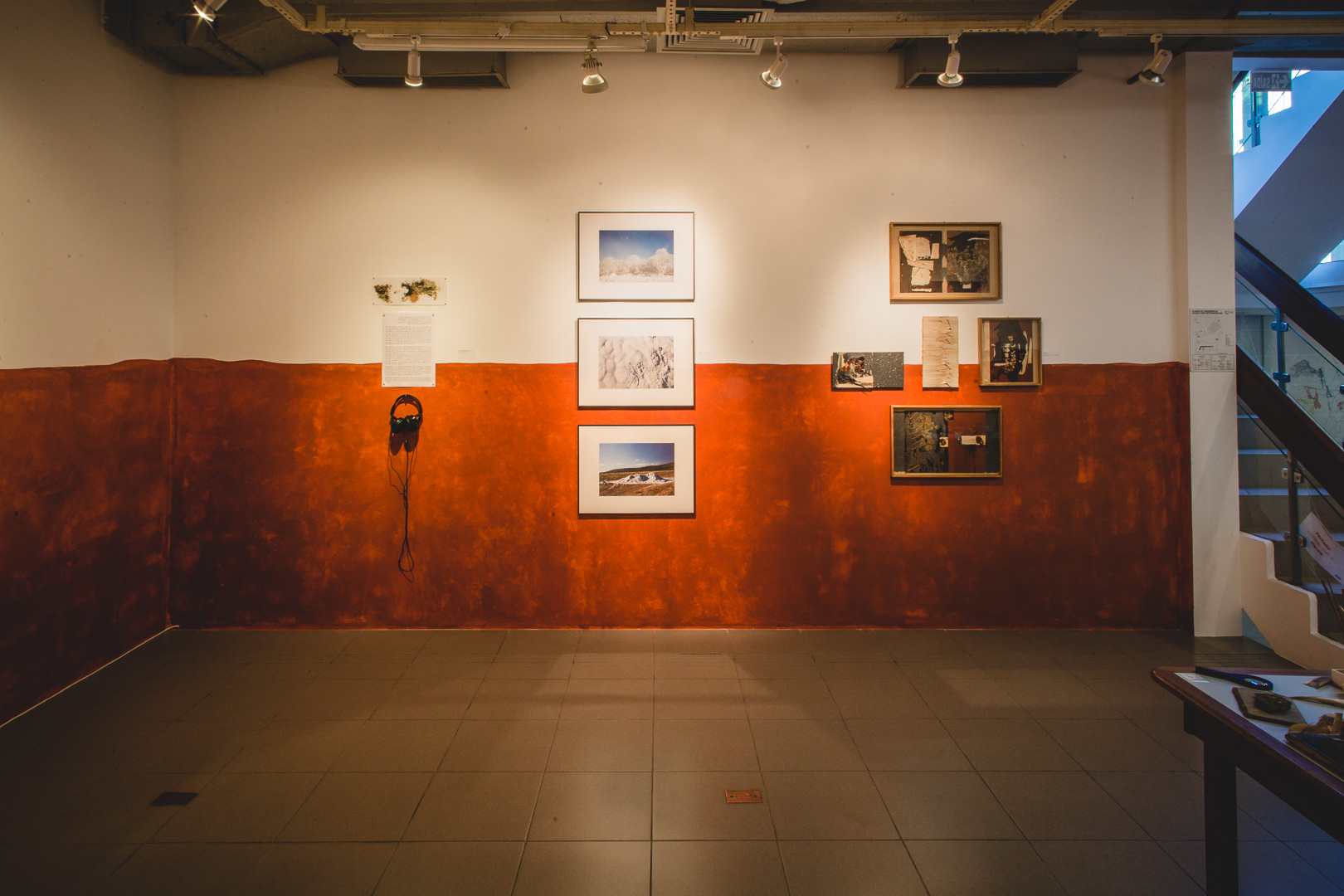
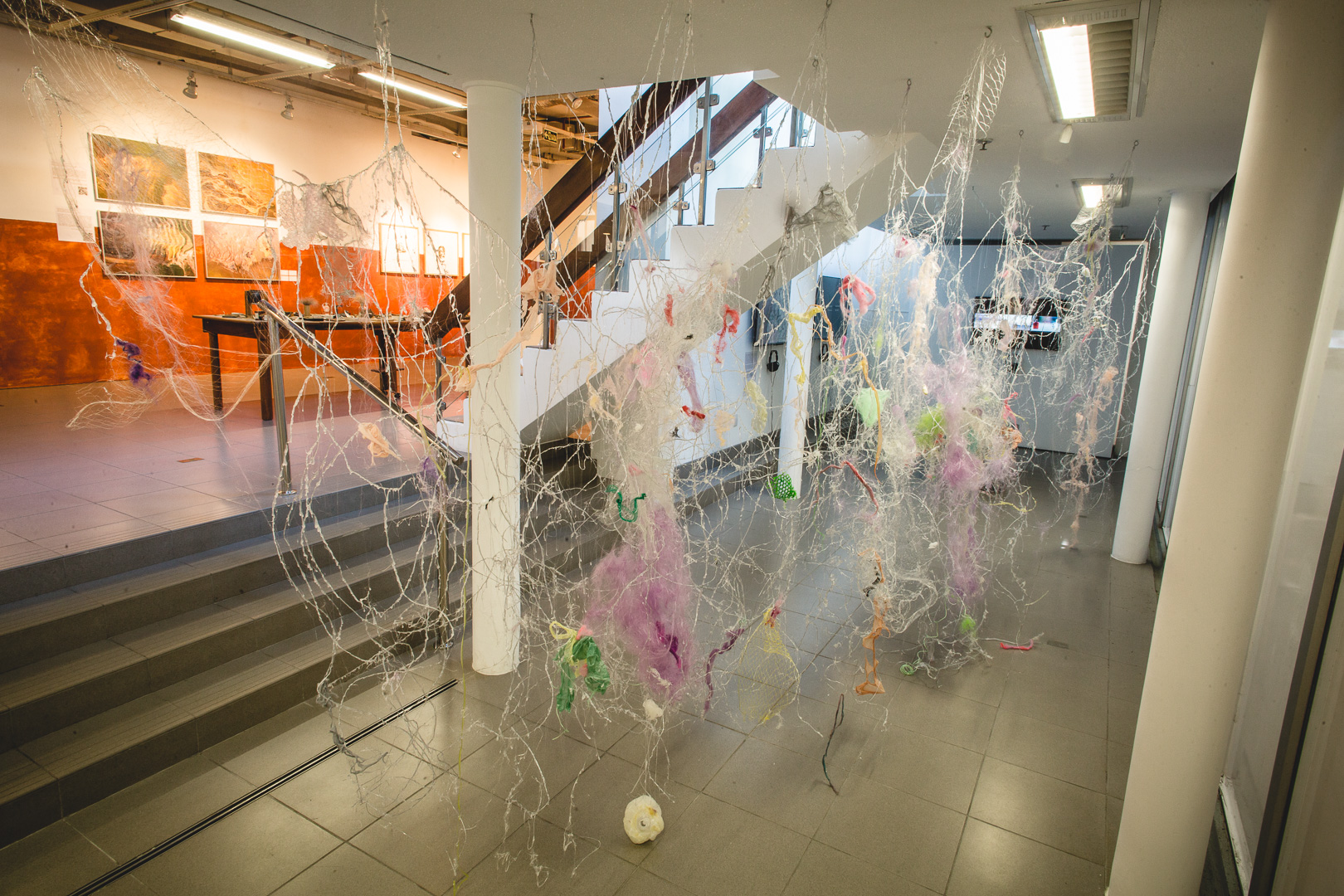
Water takes and water brings. This project emerges from a fabulative phenomenon: what if, amid the flood disasters of 2024, the Guaíba River unexpectedly revealed buried traces of its own history?
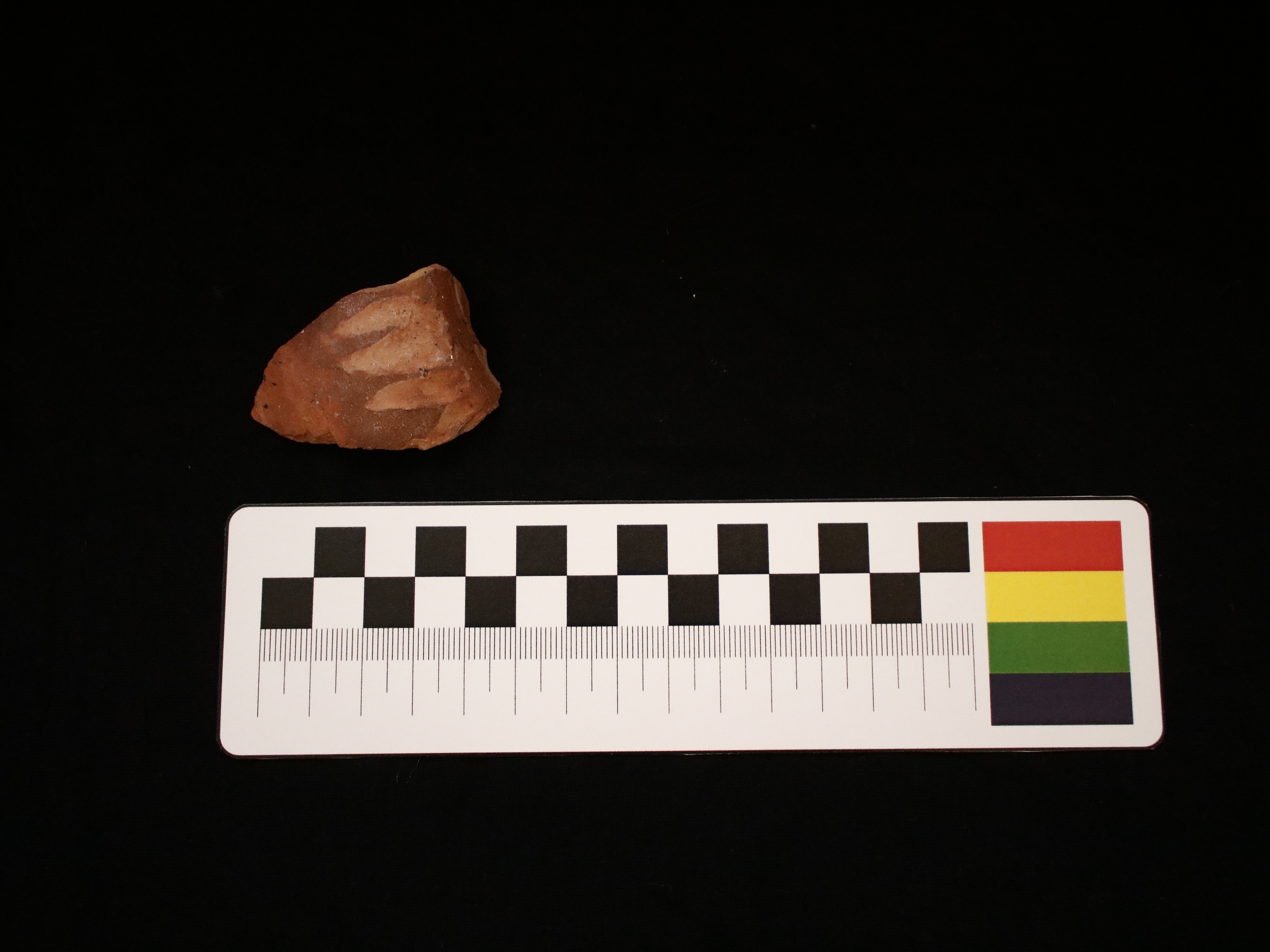
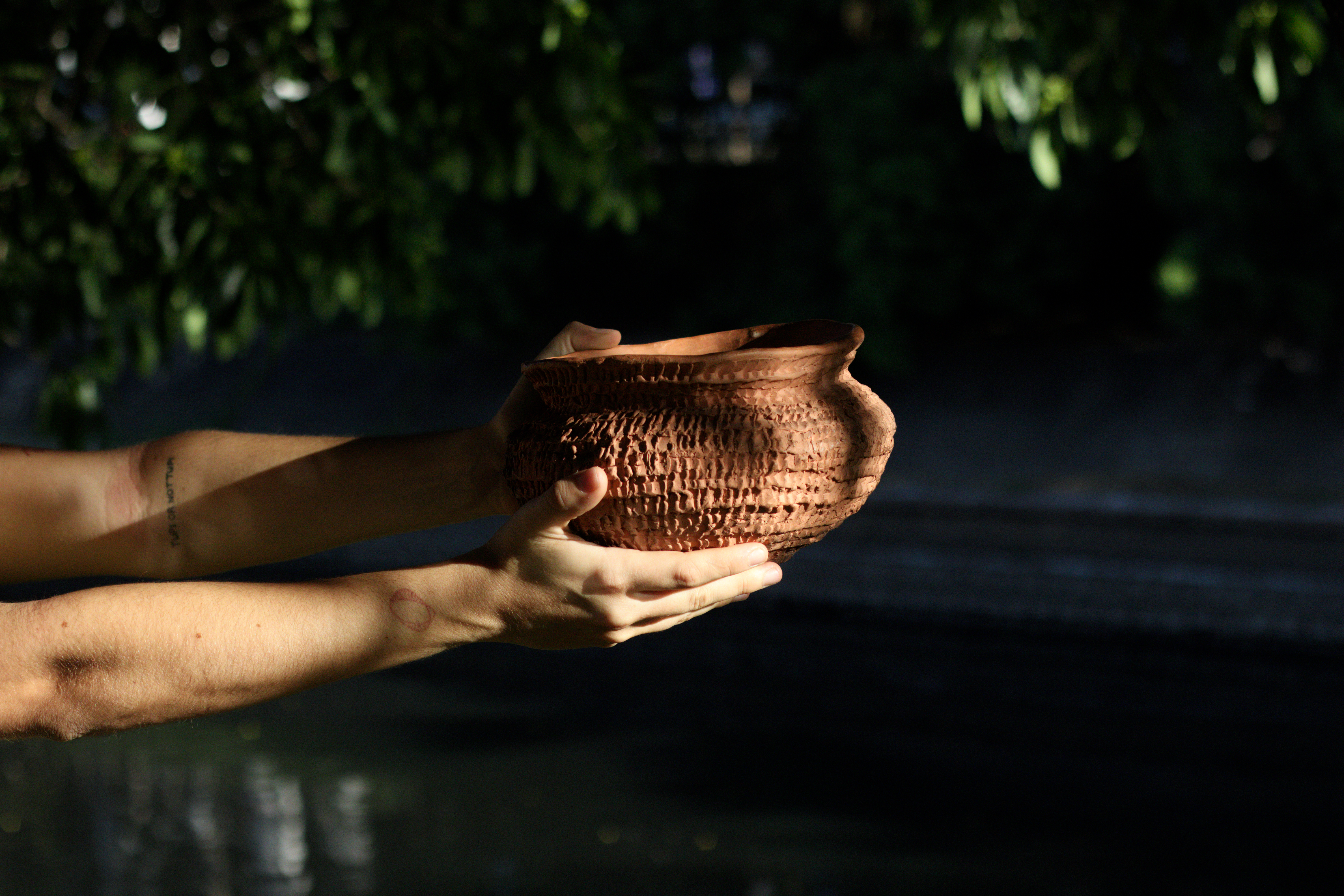
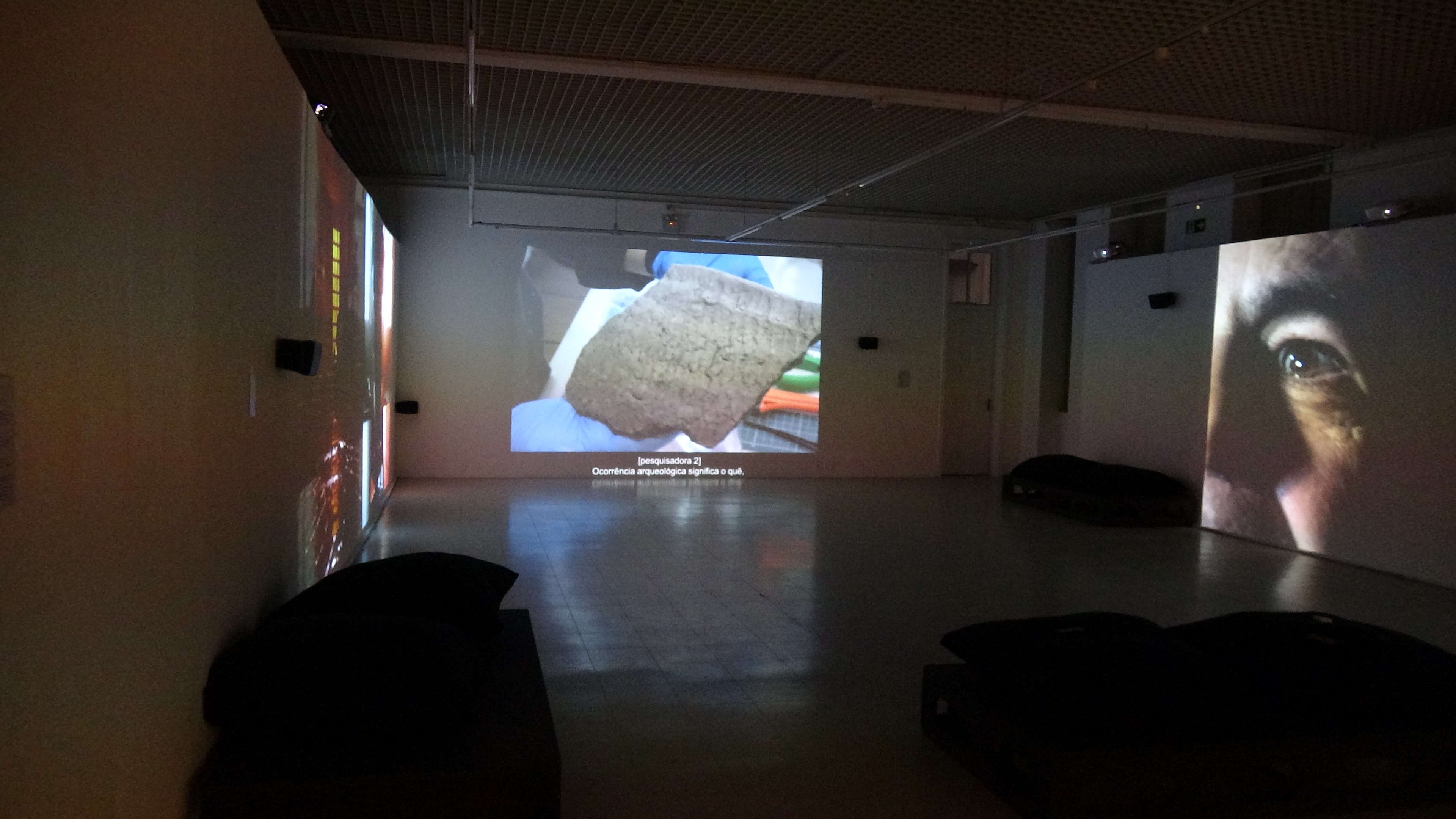
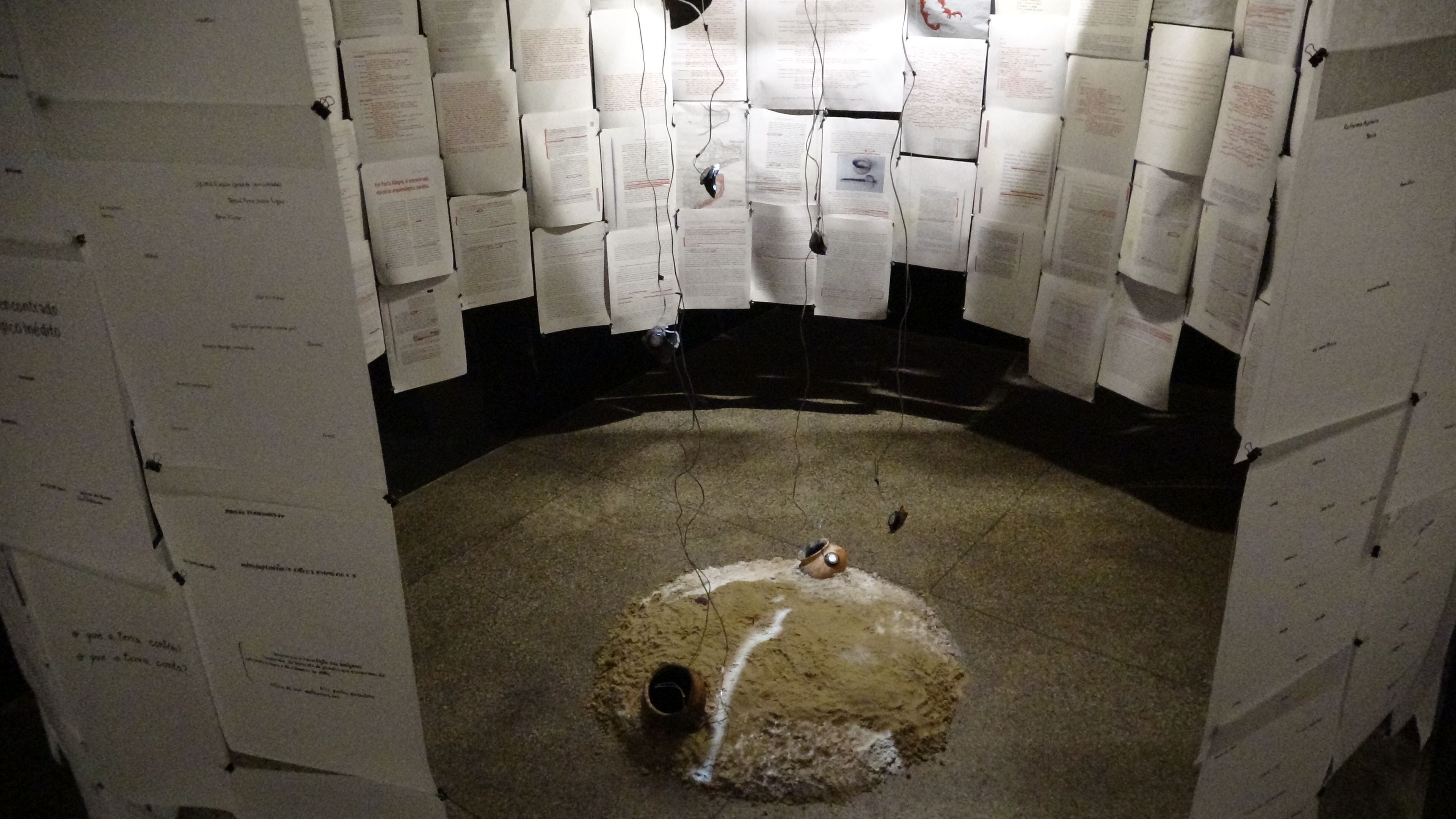
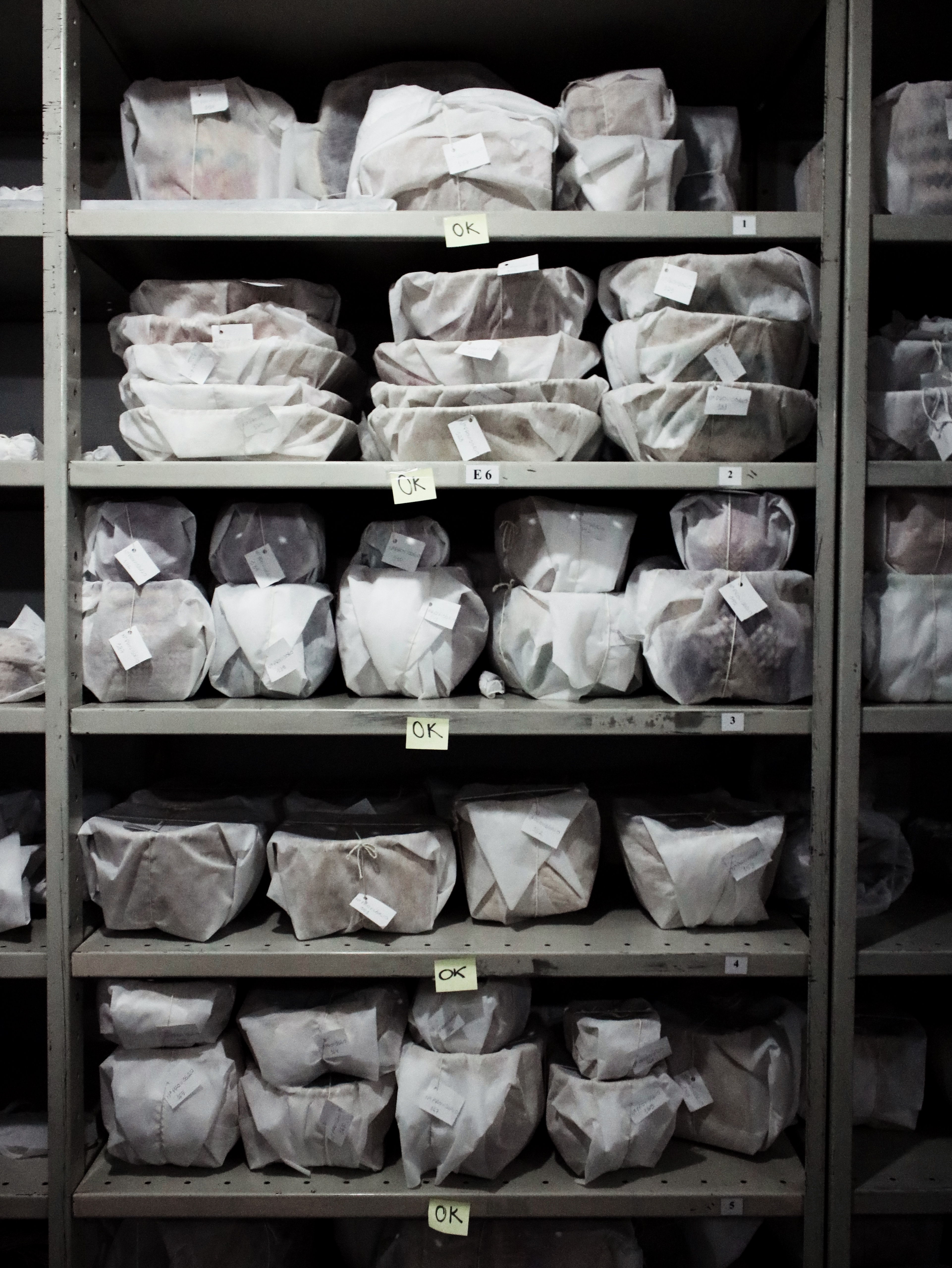
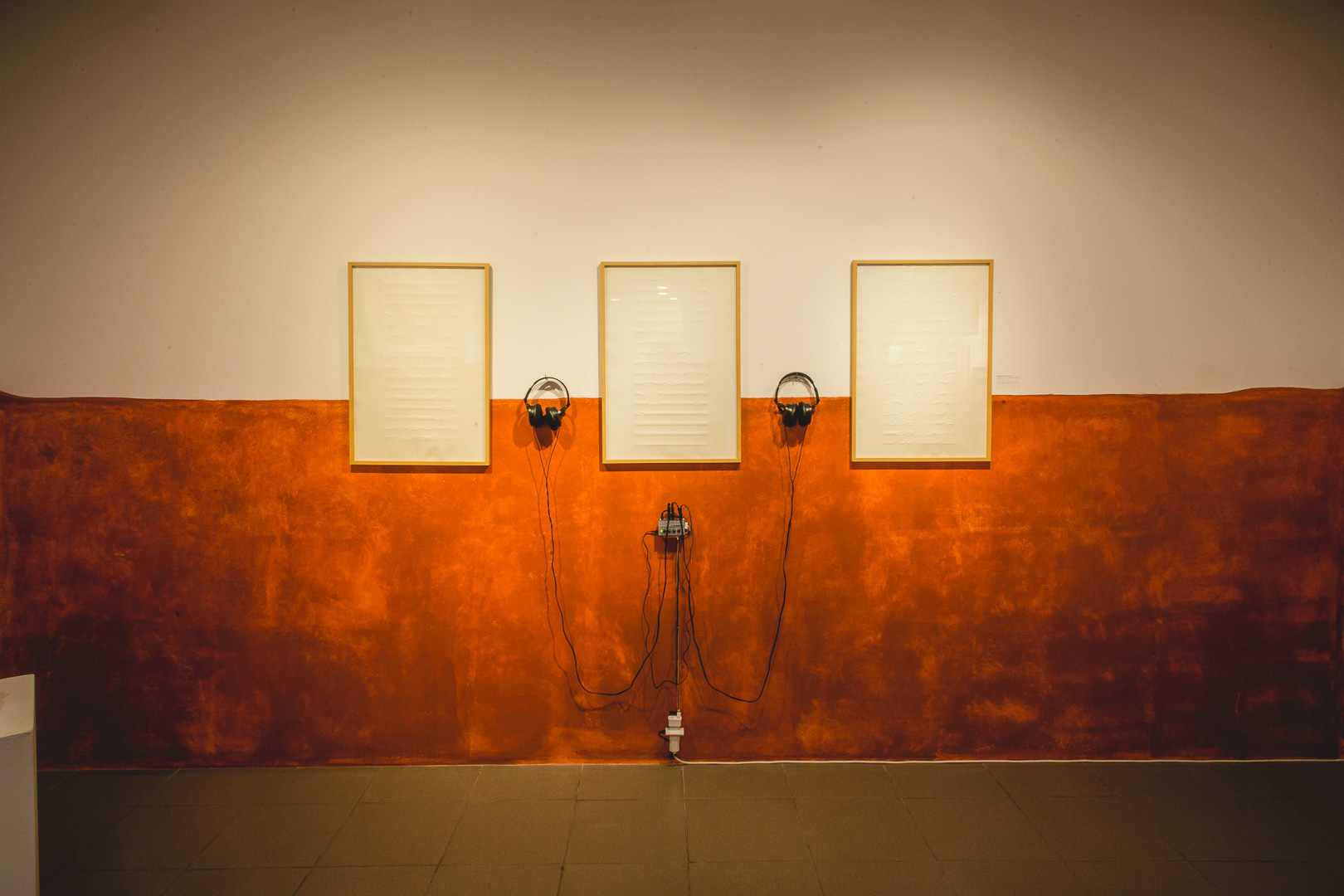
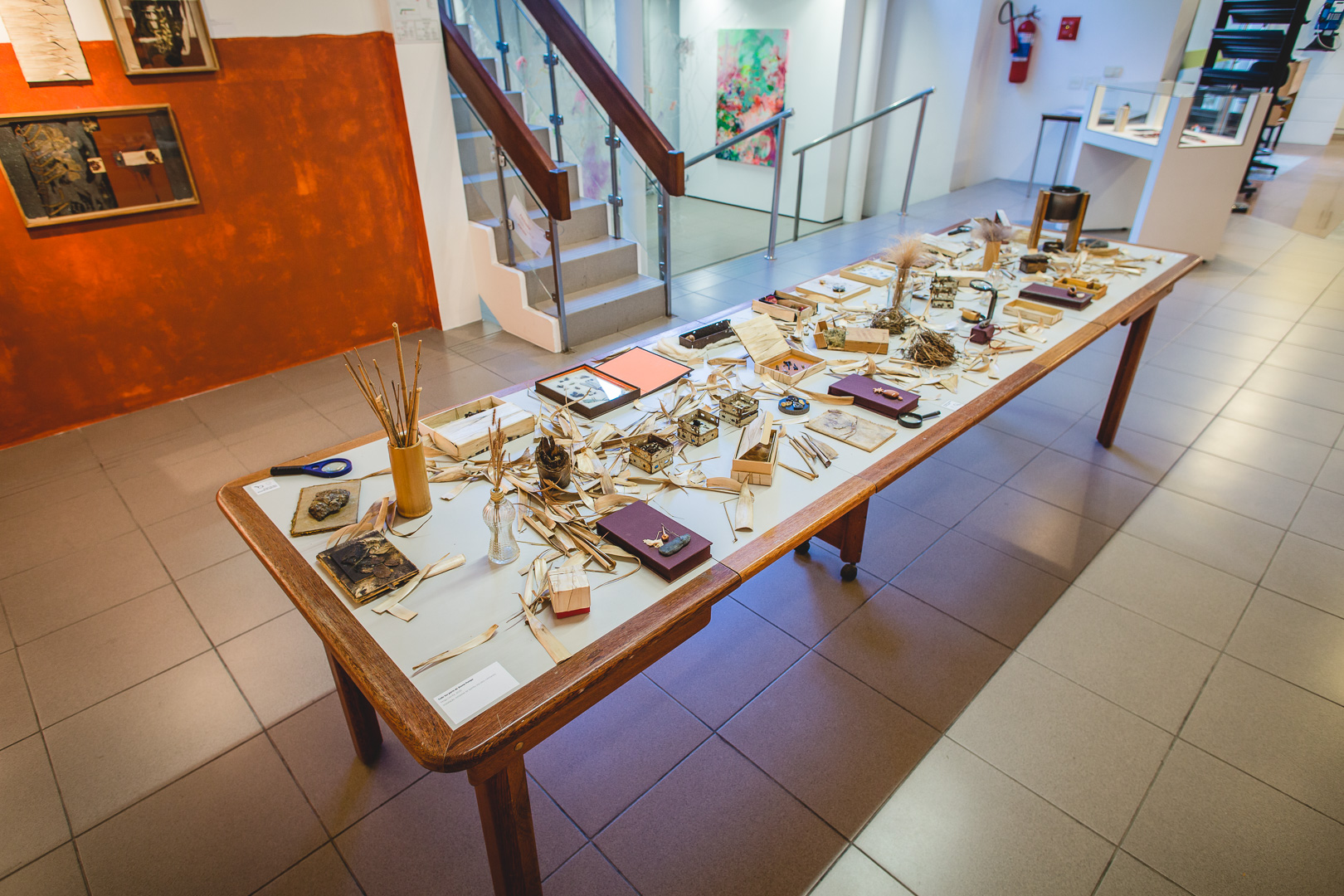
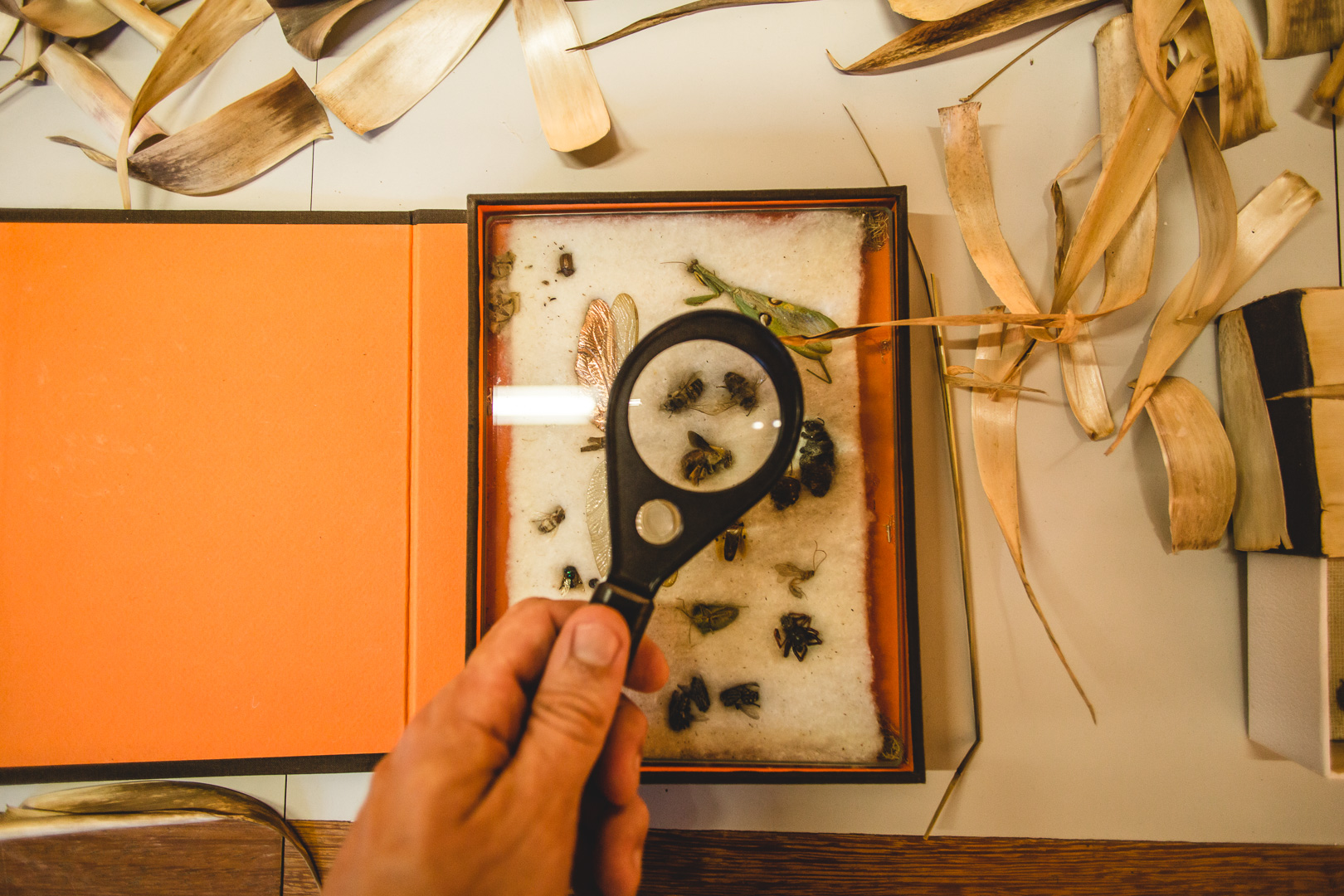
Ceramics are artifacts commonly found in archaeological sites through excavation work. They are traditional materials of Indigenous American ways of being and living, and essential elements in the process of demarcating Indigenous Lands. A series of dating processes based on chemical changes or the accumulation of radiation in the pieces allow a fragment of fired clay to tell stories.
Here we propose imagining what the flooded areas of Porto Alegre might say. As a consequence of soil saturation—which occurs when land remains waterlogged for a long time—material traces, such as Mbyá-Guarani pieces, could come to the surface, making visible once again a past that resisted beneath our feet. The encounter with these traces would help confirm Indigenous presence in the region and, in this way, flooded areas could, in a sense, speak in favor of peoples in processes of reclamation, bearing witness to their millennia-long occupation.
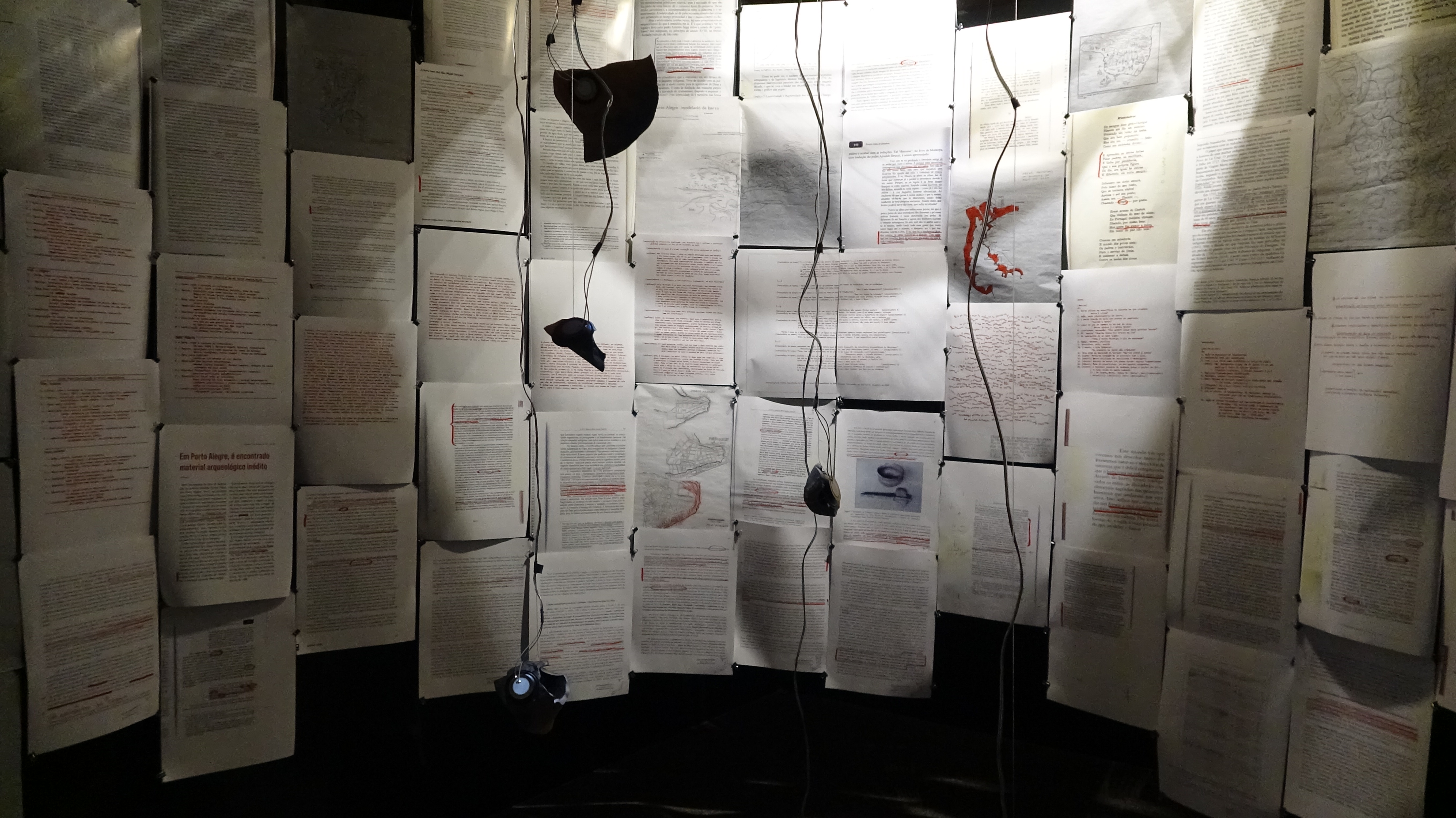
The installation proposes a dialogue between the fantastical and the factual, tensioning the boundaries between art and science—fields that ultimately delineate what we take to be truth or falsehood, thinkable or unthinkable. This universe is not only a tribute, but a work of repair: an attempt to restore the protagonism of Guarani ways of being and living and to safeguard their practices of care for the earth-beings that constitute the territory where we all live.
A living heritage that pulses on the city’s margins, the Guarani way of life is one of many buried by the true terraforming undertaken by modernity—materialized in Porto Alegre through continuous processes of landfilling, urban expansion, and real estate speculation. By narrating the possibility of these discoveries, we invite the public to speculate on the cosmopolitical consequences of the possible “emergence” of these fragments and what they might help us see and hear more clearly.
Exhibitions
Testemunhos da Terra (exposição individual), Fotogaleria Virgílio Calegari, Museu de Arte Contemporânea do Rio Grande do Sul, nov 2024 — fev 2025
Deságua (exposição coletiva), Galeria Augusto Meyer, Casa de Cultura Mario Quintana, nov 2024 — mar 2025
Porto Alegre hipotética (exposição coletiva), Goethe-Institut Porto Alegre, out — nov 2024
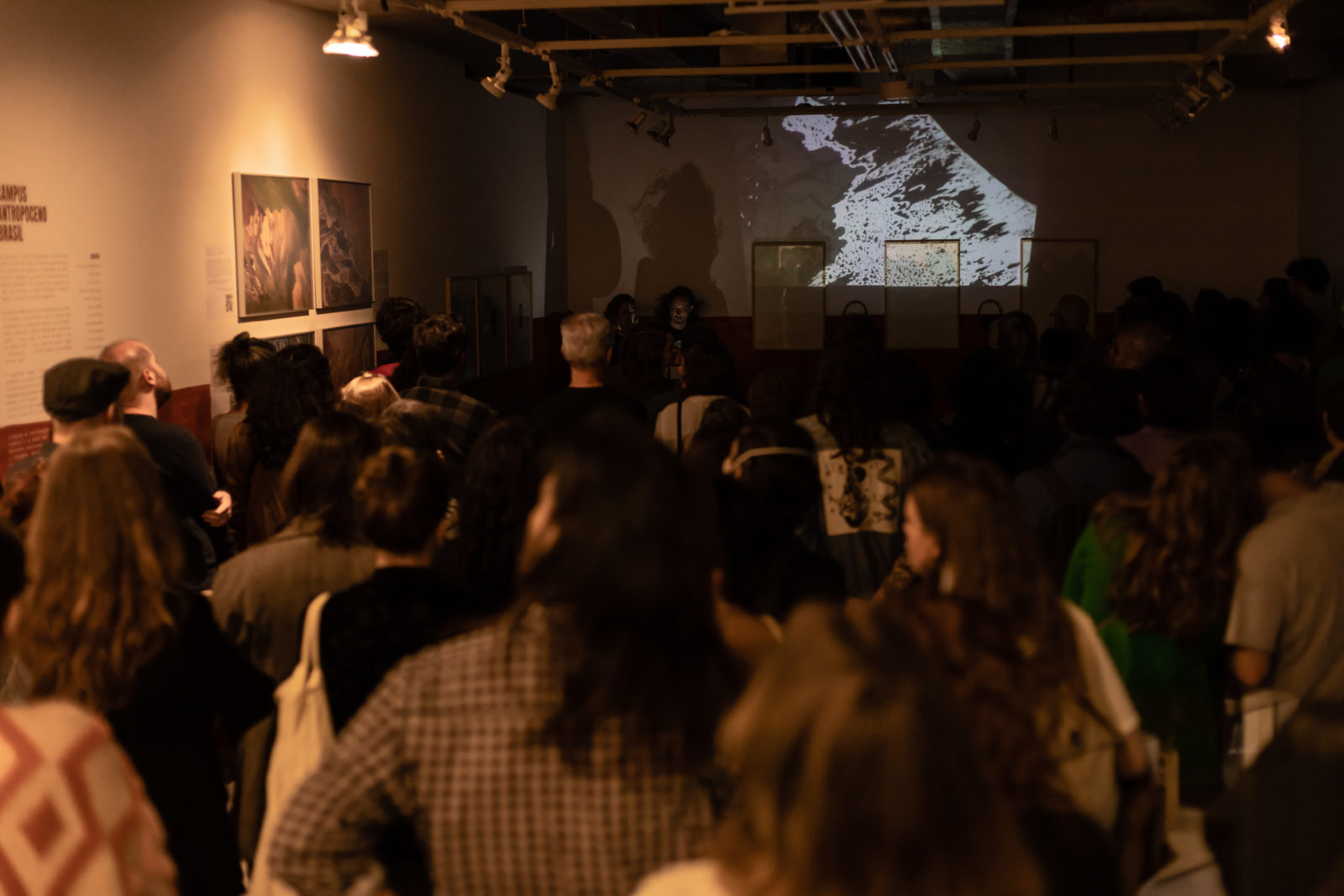
Campus Antropoceno América Latina (exposição coletiva), ESDI – Escola Superior de Desenho Industrial/UERJ, dez 2024
TOPOGRAPHY OF ENCOUNTERS
Curatorship for zarro’s Solo Exhibition
Remanso Instituto Cultural
August — September 2025
Among the lively gestures of a vibrant artist such as zarro, there is a gesture of care. Her works take care of the images that persist, the fragments that survive, the past that has not passed peacefully.
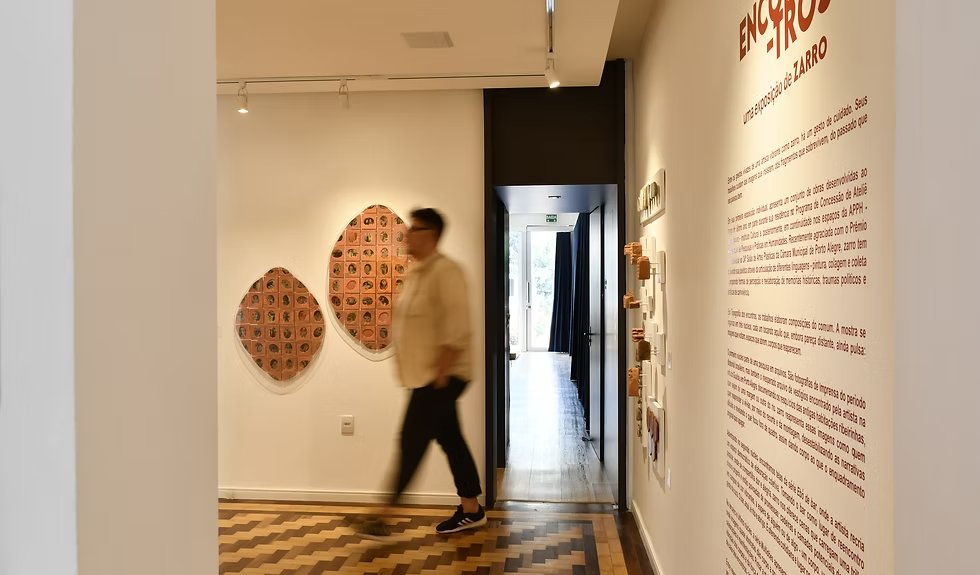
In her first solo exhibition, she presents a body of work developed over the past year, partly during her residency at the Remanso – Instituto Cultural’s Studio Grant Program, and subsequently continued in the spaces of APPH – the Association for Research and Practice in the Humanities. Recently awarded the Acquisition Prize at the 24th Salon of Visual Arts of the Porto Alegre City Council, zarro has cultivated her poetics through the articulation of different languages – painting, collage, and collecting – proposing ways of perceiving and reworking historical memories, political traumas, and practices of coexistence.
In Topography of Encounters, the works elaborate compositions of the common. The exhibition is organized into three nuclei, each touching upon that which, though seemingly distant, still pulsates: images that return, spaces that open, bodies that reappear.
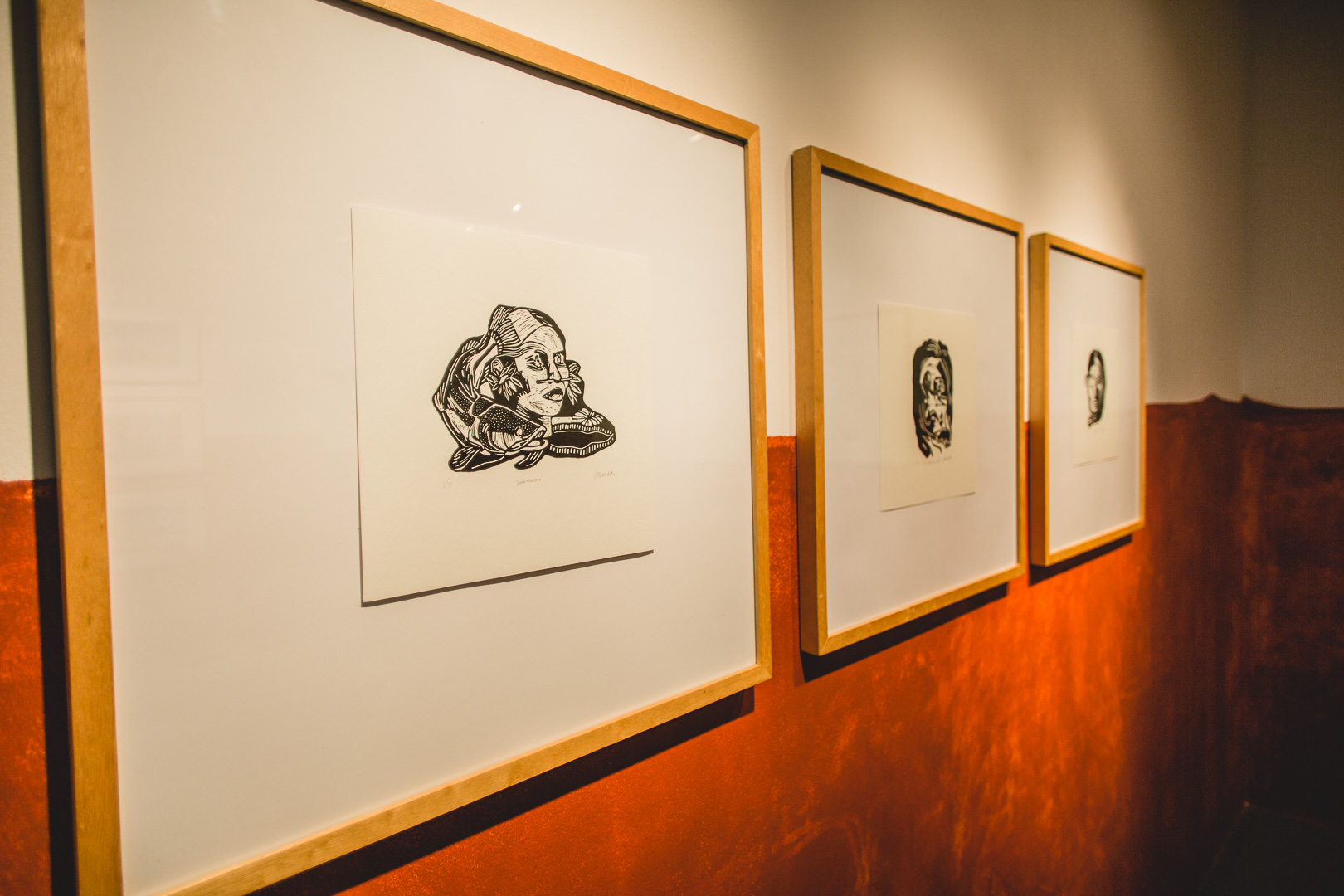
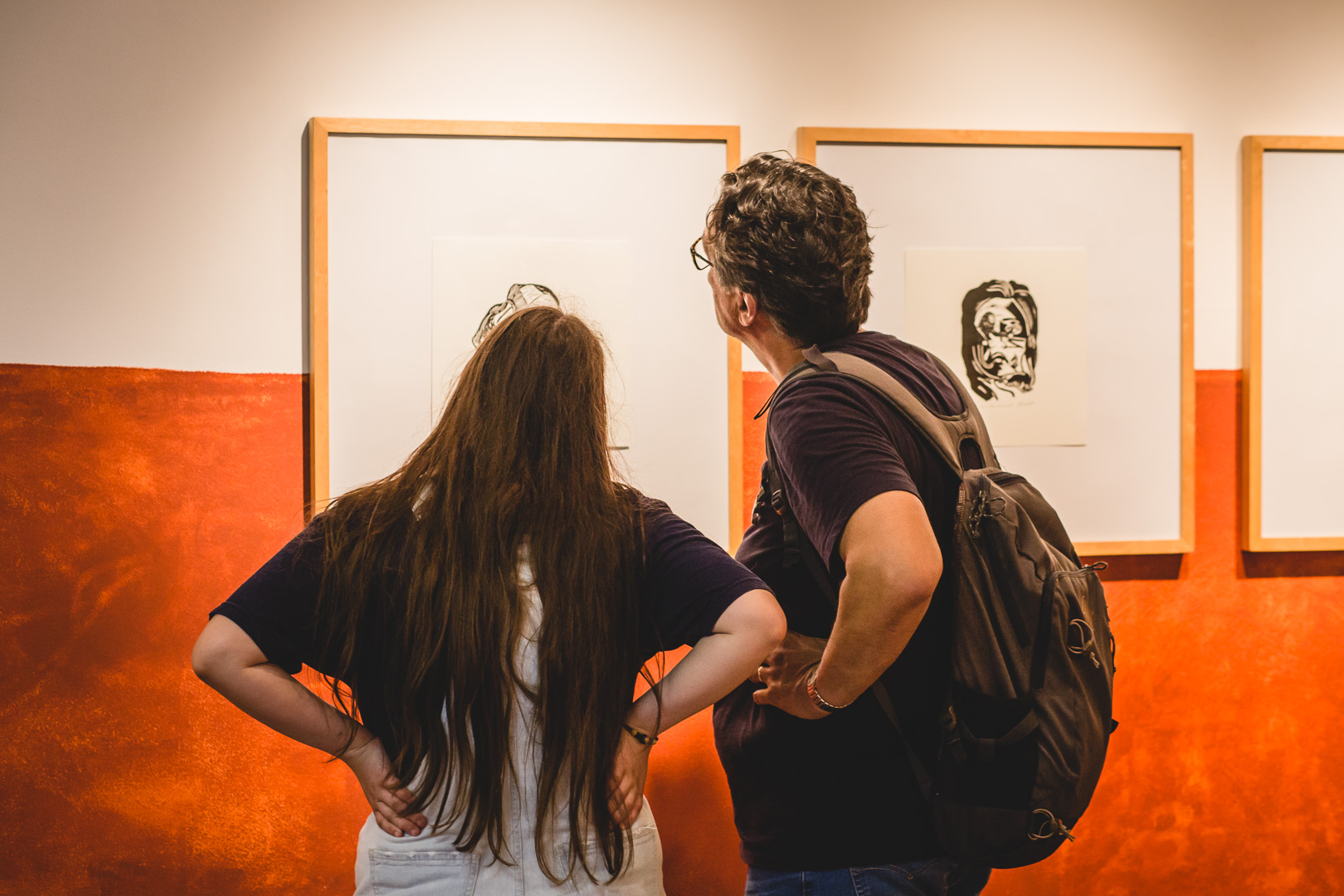
The first nucleus stems from archival research. There are press photographs from the Brazilian dictatorial period, but also the unexpected archive of traces found by the artist on the shores of Guaíba Lake in Porto Alegre, documenting the remnants of old riverside dwellings, whether on one bank of the river or the other. zarro re-presents these images as someone who wants to learn to see them anew, through cutting and montage, destabilizing official narratives and revealing what remained outside the frame, thereby giving body to what the original framing sought to erase.
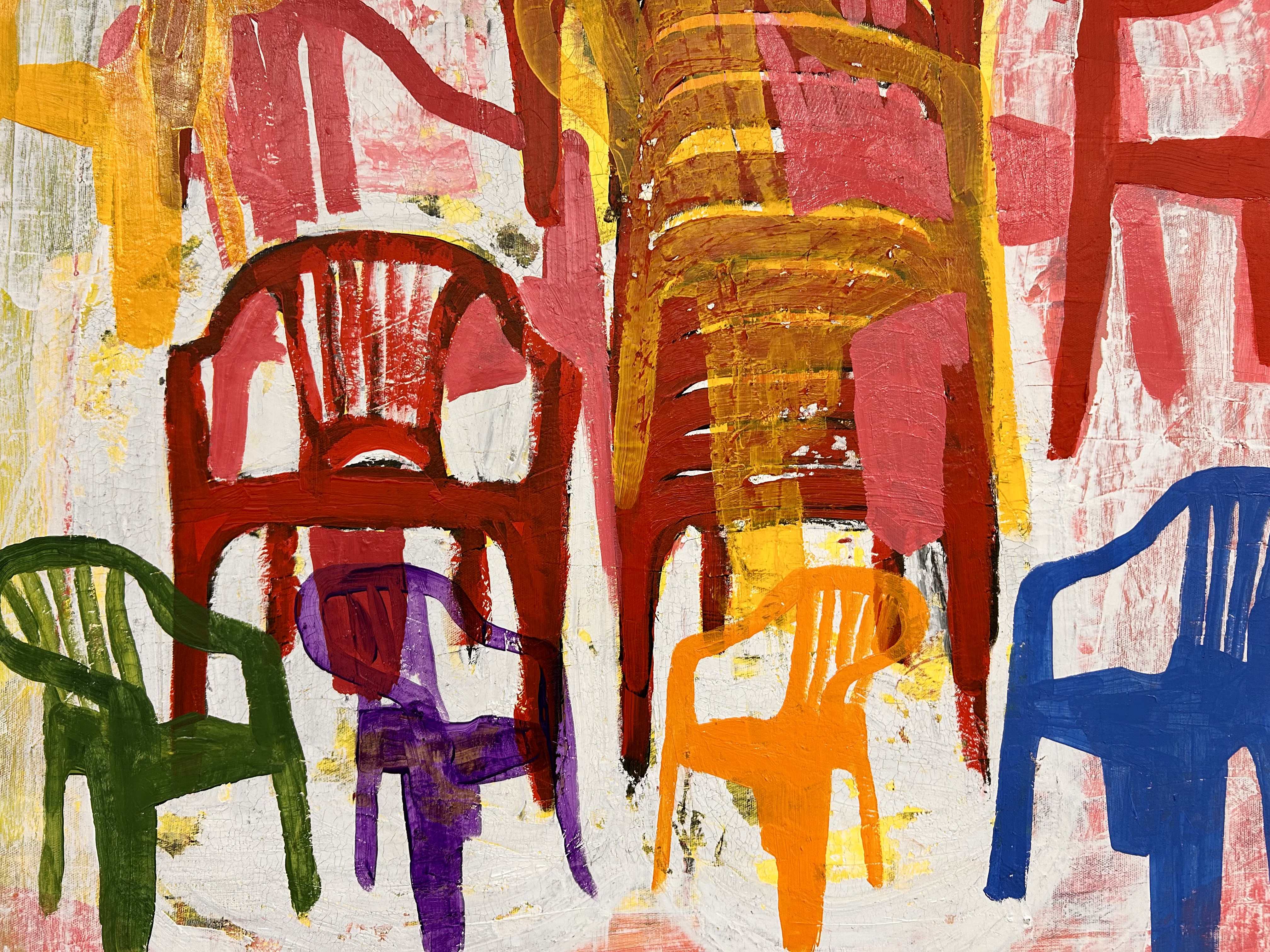
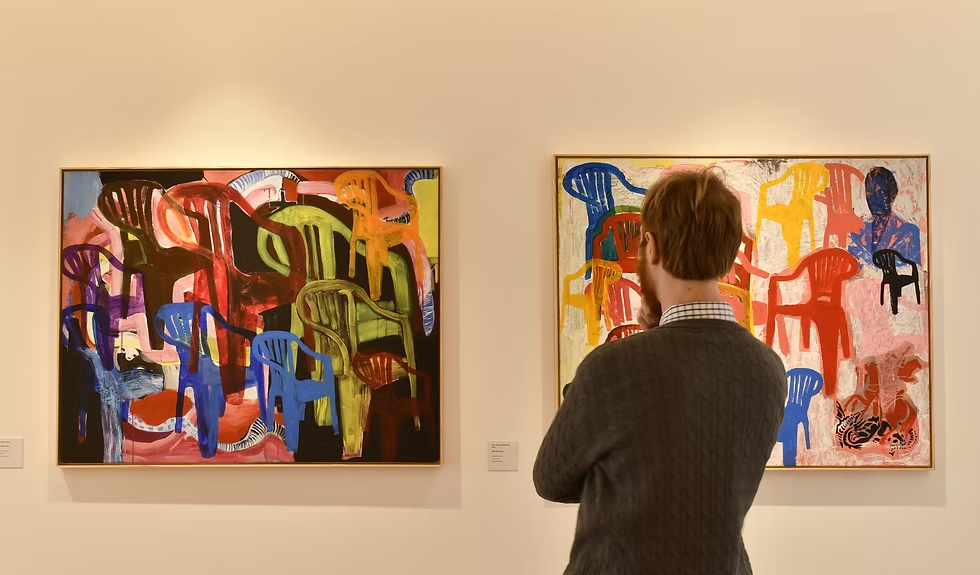
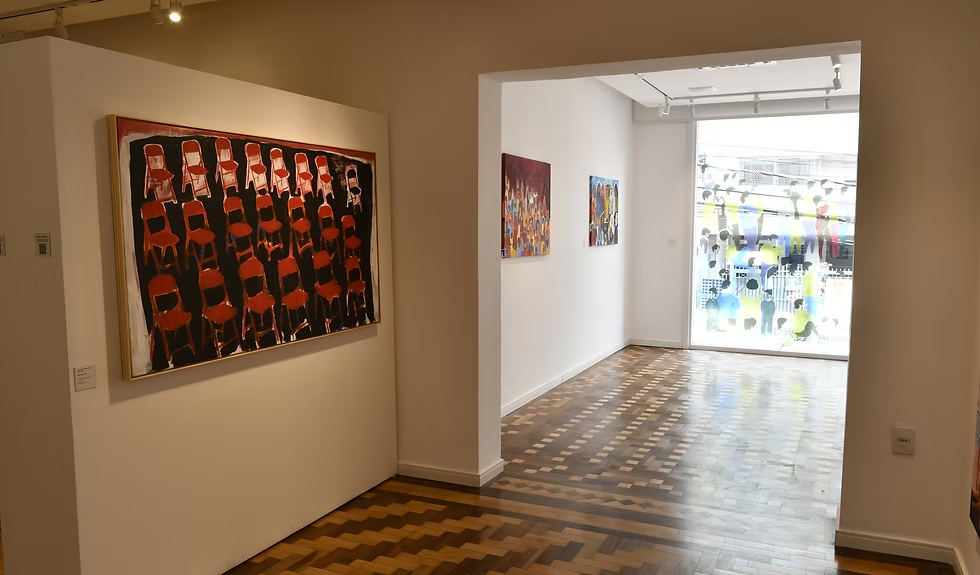
Entering the second nucleus, we encounter canvases from the series Ebó de bar (Bar Offering), where the artist recreates a democratic space of collective elaboration. Taking the bar as a place of popular reunion, where pain and joy are shared, zarro offers us scenes that carry their own soundtrack and are populated with promises: chairs and potential layers of people in vibrant color fields, waiting for someone or something – a body, a conversation, a gesture of healing. The bar, here, is ritual and shelter. It is daily offering and a possible site of reparation.
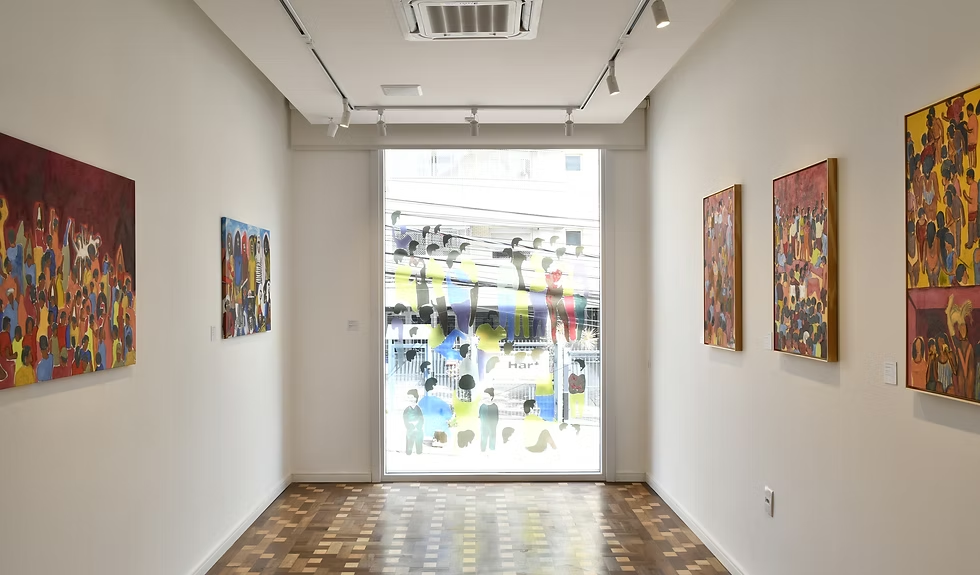
In the third and final nucleus, the series Multitudes presents the artist’s most recent works, where nearly abstract images give body to groups of people gathered in scenes of parties, celebrations, and demonstrations. To paint the multitude is an affirmation of the power of being together: the vibration of bodies and the strength of the collective. The works capture not only the form but the energy of the warmth of encounters – that which escapes the image and yet remains within it.
Through reappropriations, rituals, and communions, the exhibition builds a path that is also a return – not to the past in search of nostalgia, but to it as living matter that can, through art, be potentiated and thus take on other forms, other names, other futures.
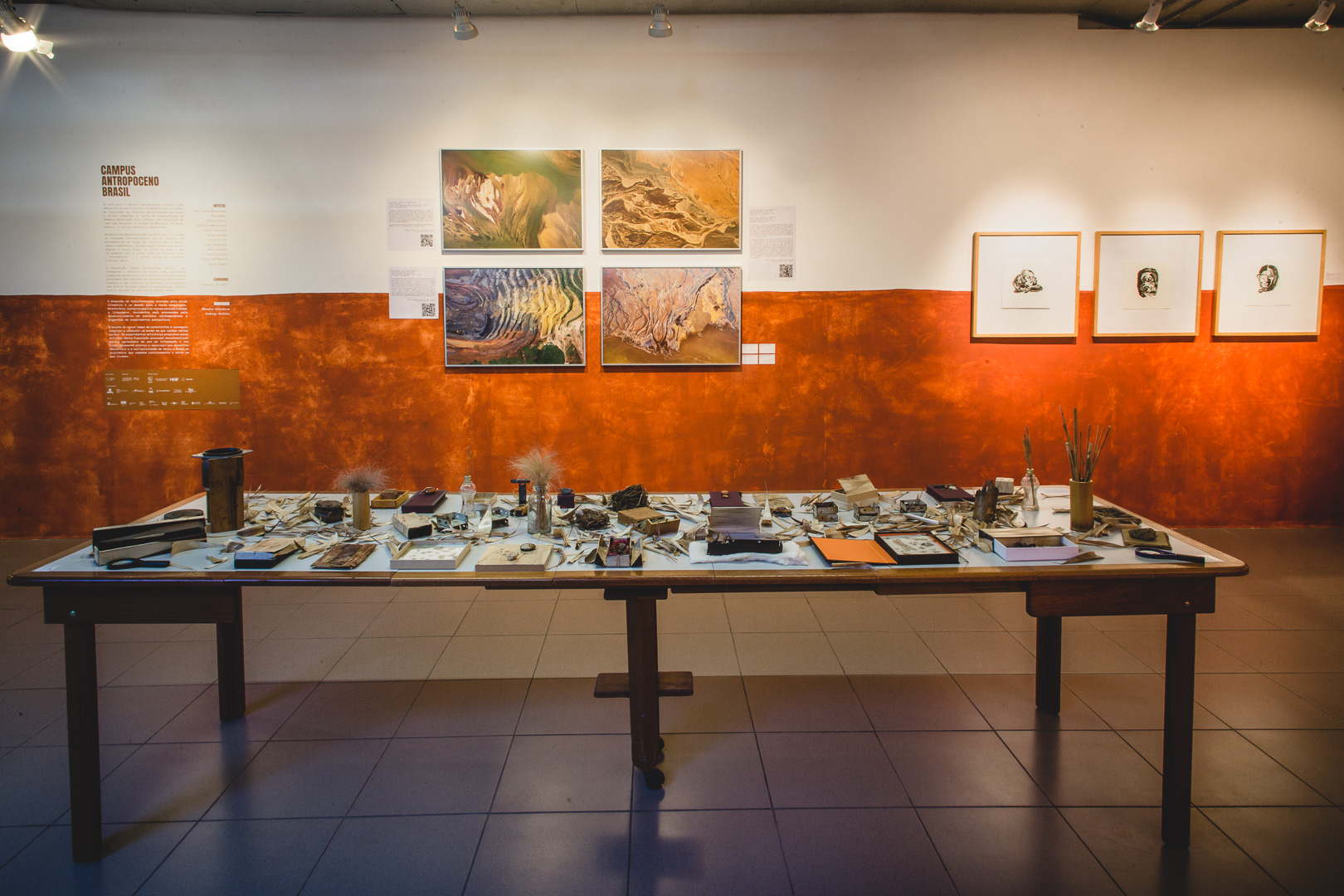
Seven years ago, Brazil witnessed the greatest environmental crime in its history. Fifty-six million tons of iron ore and silica mining waste breached the containment dams of Samarco Mineração S/A, unleashing a mudslide that devastated the city of Mariana, in Minas Gerais, and several adjacent districts.
Environmental disasters provide very clear contours of the unsustainable relationships that humans have established over the centuries with other beings and environments. Just when we imagined our place was secure at the head of the table and that we could give our own name to the era—the Anthropocene—dinner receives an intrusive guest: Gaia.
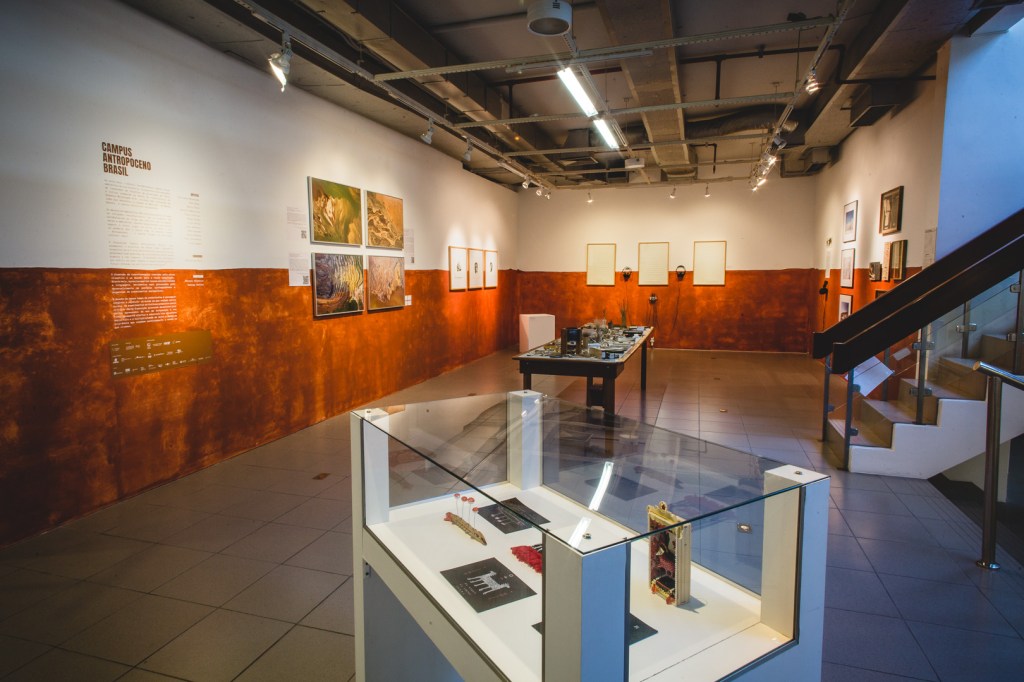
The Campus Anthropocene Brazil Exhibition, accompanying the conference of the same name, presents works by artists from different generations who grapple with questions of coexistence between human and non-human beings, landscape alterations resulting from human action, and speculations about the future through multiple methodologies. The scale of transformations brought about by the climate crisis poses a challenge to our imagination. Faced with this, we must expand our sensibilities and languages—movements provoked here by the development of contemporary poetics and proposals for perceptual experiments.
The challenge of our catastrophic times is to be able to imagine and produce a world in which many worlds fit. The artistic experiments proposed by the artists in this Exhibition seek to de-automate the hasty gestures of the information age and to make us once again attentive and sensitive to environmental disasters and to the multiplicity of beings and modes of existence that continuously compose the world we live in.
Artists
Ana Laura Malmaceda
Camila Proto
Carolina Marostica
Clara Trevisan
Helga Corrêa
Júlia Pontés
Lidia Brancher
Néle Azevedo
Paula Pedrosa
Pilar Santamaría
Tuane Eggers & Humberto Mohr
Opening performance
Camila Proto & Marcelo Conter
Fotografias/Photographs: Fabio Alt
In partnership with
Goethe-Institut Porto Alegre
Anthropocene Curriculum
Haus der Kulturen der Welt
Max Planck Institute for the History of Science
Funding
CNPq
Rede Covid-19 Humanidades
PPGAS/UFRGS
IFCH/UFRGS
Instituto Serrapilheira
Departamento de Filosofia PUC-Rio
Editora Bazar do Tempo
Support
Casa de Cultura Mario Quintana
Cinemateca Capitólio
Fórumdoc.BH
Livraria Baleia
Livraria Taverna
PARI-c
SEL Harvard
Press
→ Campus Antropoceno Brasil terá mesas, oficinas e programação cultural na Casa de Cultura Mario Quintana | Rede Covid-19 Humanidades, out 2022
→ Campus Antropoceno do Brasil em Porto Alegre | Revista Museu, out 2022
→ Mostra de filmes e exposição integram Campus Antropoceno Brasil | Matinal, nov 2022
→ Lideranças indígenas, quilombolas e cientistas climáticos se reúnem em Porto Alegre | Brasil de Fato, nov 2022
→ Cinemateca recebe mostra sobre impactos ambientais, consumo e desperdício | Prefeitura de Porto Alegre, nov 2022
→ Campus Antropoceno Brasil reúne lideranças indígenas, quilombolas e cientistas climáticos na CCMQ | Matinal, nov 2022
→ Filmes integram Mostra Campus Antropoceno Brasil | Correio do Povo, nov 2022
Desert of Memories
30 photographs (various techniques)
1 video (10 min)
2022
In collaboration with Leo Caobelli
Project: 8 Deserts of Errors
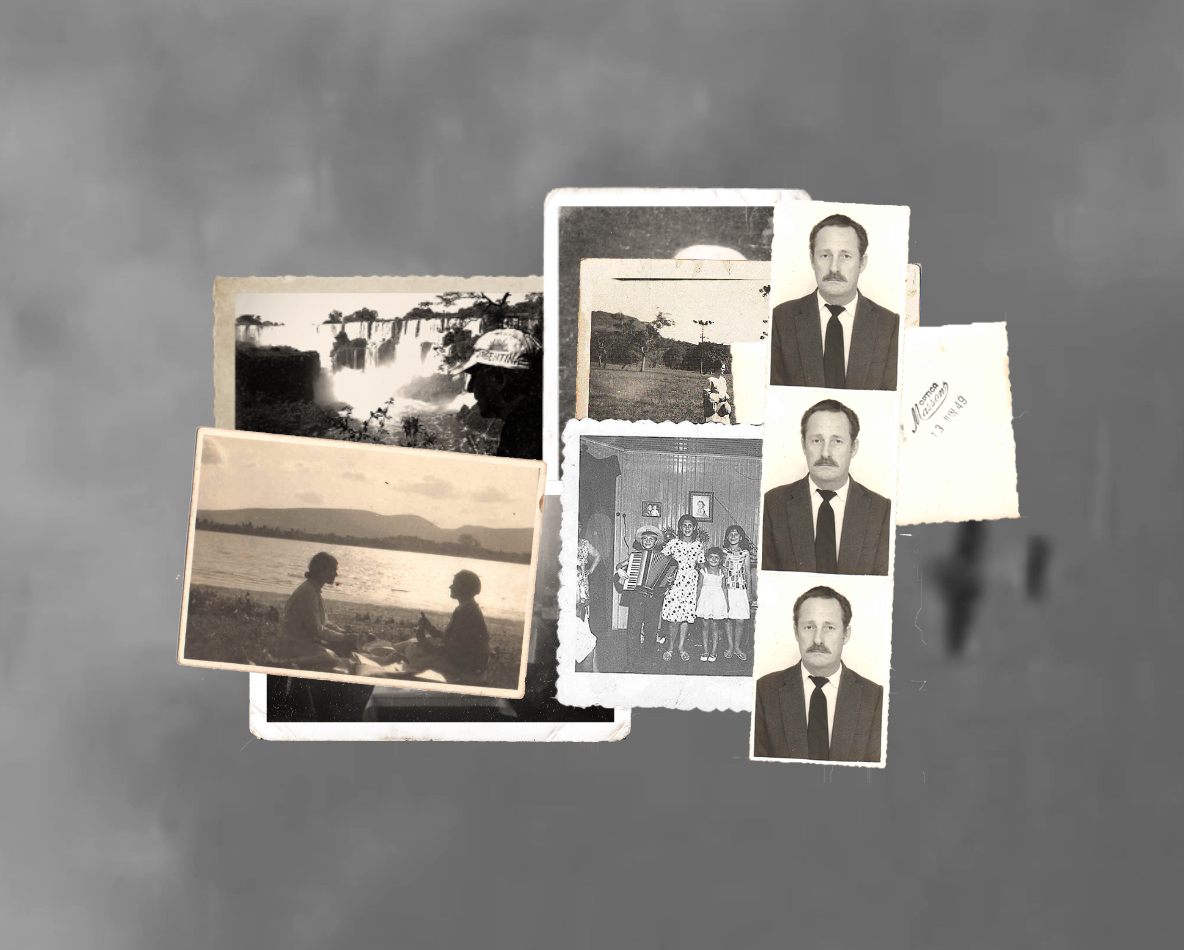
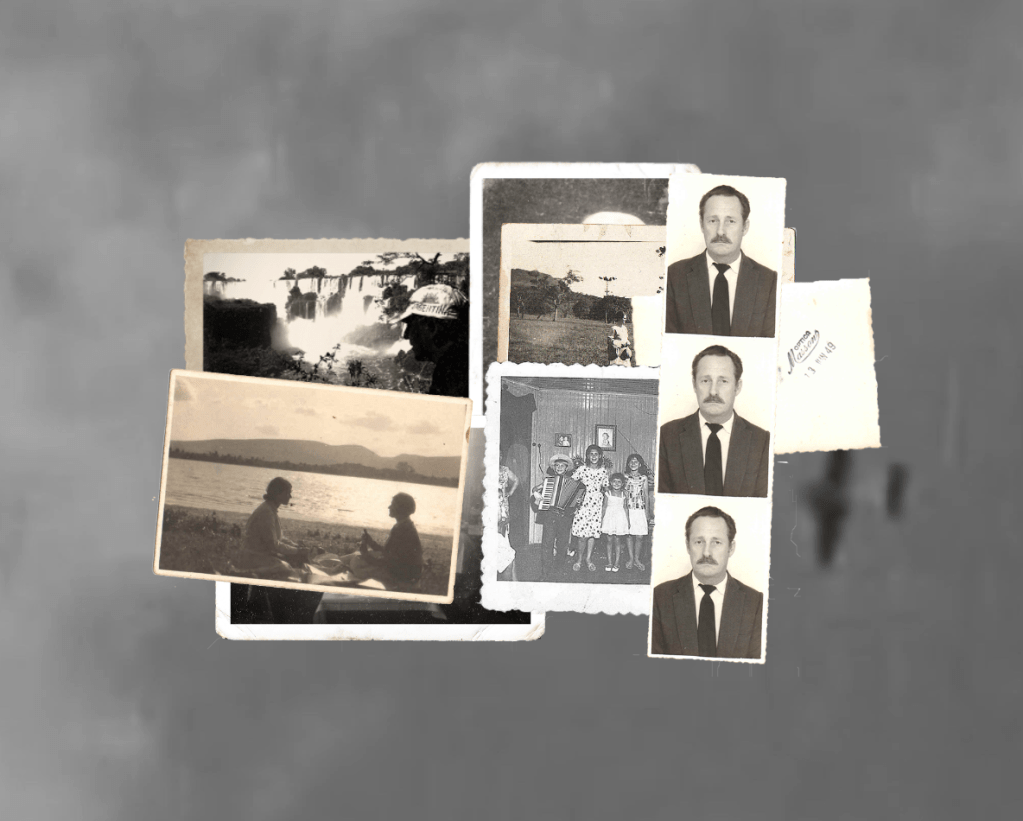
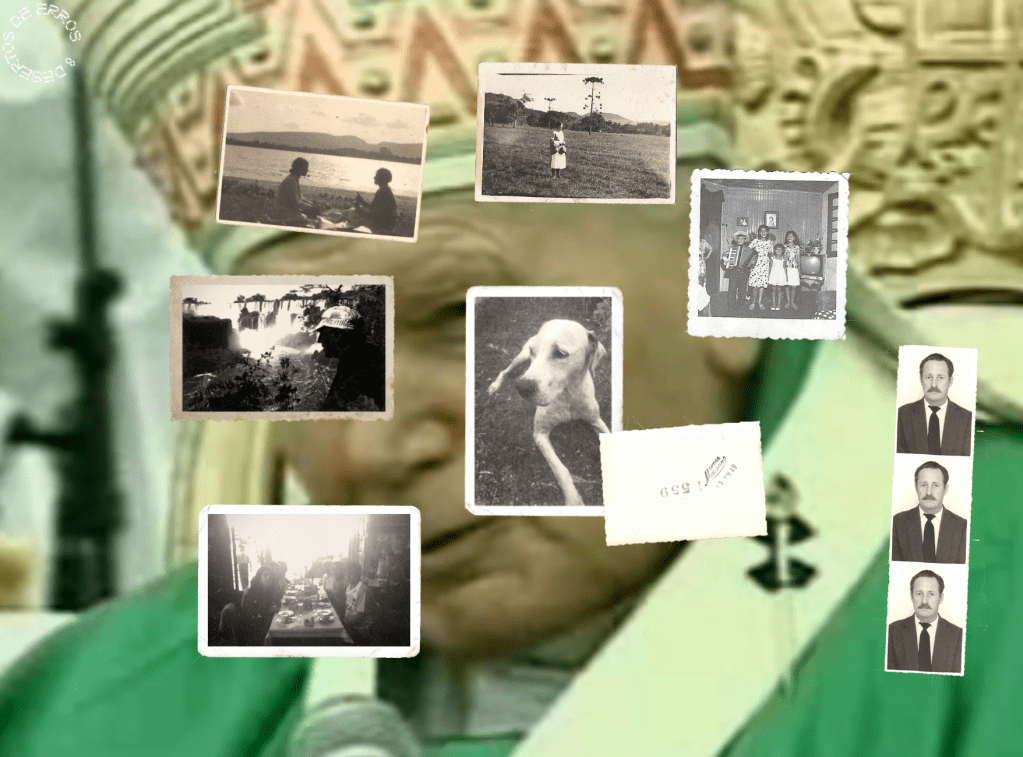
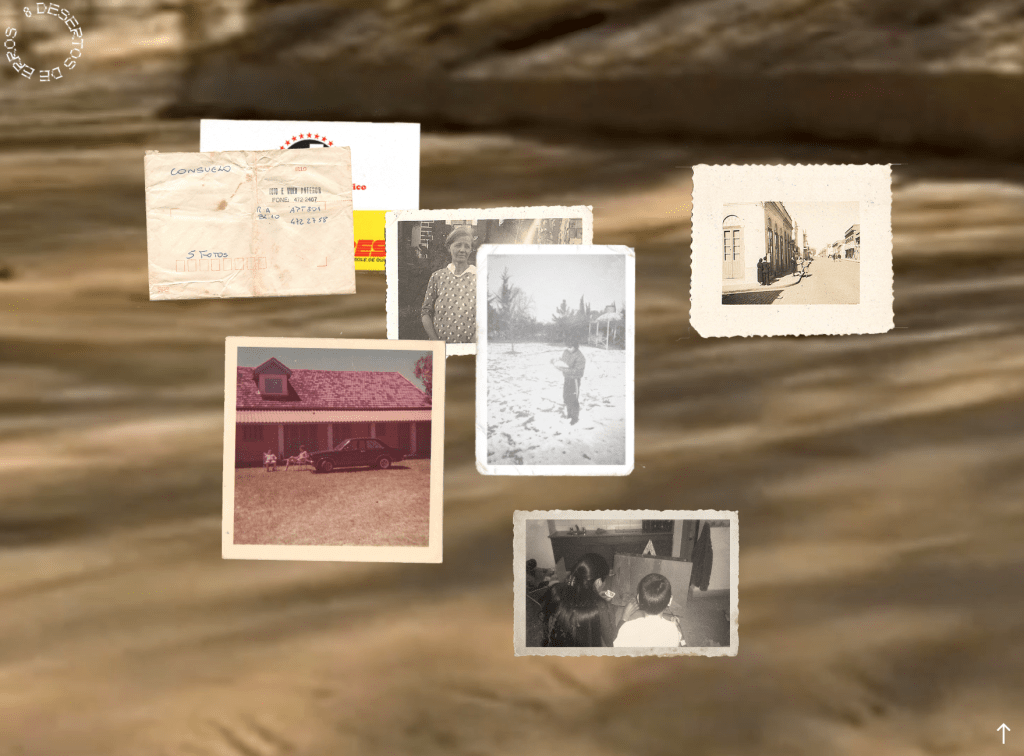
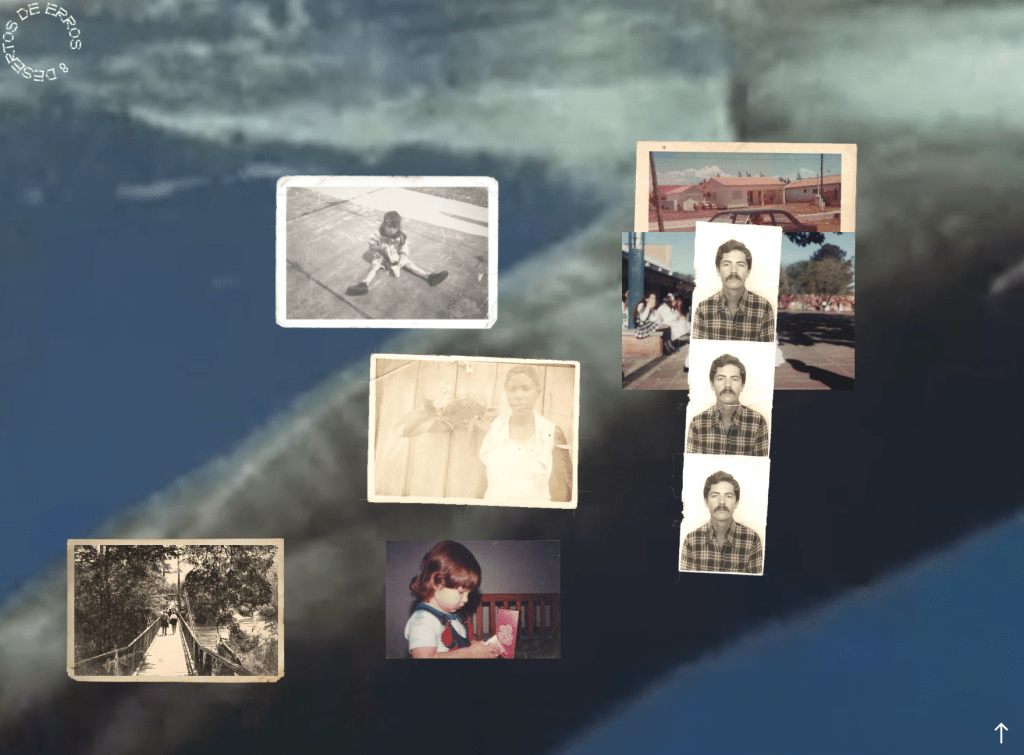
The work’s raw material originates from an anonymous hard drive found in Palermo, Buenos Aires, and recovered by Caobelli, comprising photographs and videos of everyday life. This material is placed in dialogue with a personal archive, creating narratives that blend private and collective memories.
The photographs are presented as if emerging from a shoebox in front of the living room television, in an ordinary domestic setting. The video included in the work is also constructed from fragments found on a hard drive, reorganized into a new visual and narrative experience.