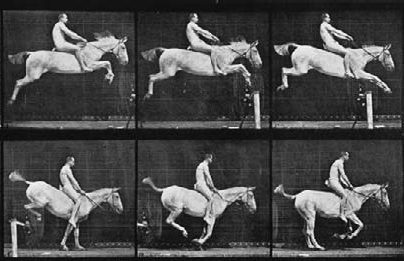
Ética e estética da violência
O curso propõe uma análise crítica das violências estrutural, simbólica, racial, de gênero e epistêmica. A disciplina busca compreender as conexões entre ética, justiça social e estética, integrando teoria, arquivos históricos e práticas ativistas para pensar modos de resistência e possibilidades de transformação estrutural. O seminário, de viés teórico, crítico e participativo, também se volta à problematização da figura da vítima, das políticas do medo e do espetáculo da violência nas mídias contemporâneas. [Em colaboração com Renata Guadagnin e Nythamar de Oliveira.]
PPG Filosofia
Escola de Humanidades, PUCRS
Disciplina de pós-graduação
Oferecida em 2025/2
Ethics and Aesthetics of Violence
This course proposes a critical analysis of structural, symbolic, racial, gender-based, and epistemic forms of violence. It seeks to examine the connections between ethics, social justice, and aesthetics by integrating theoretical perspectives, historical archives, and activist practices in order to reflect on modes of resistance and possibilities for structural transformation. The seminar, theoretical, critical, and participatory in orientation, also addresses the problematization of the figure of the victim, the politics of fear, and the spectacle of violence in contemporary media. [In collaboration with Renata Guadagnin and Nythamar de Oliveira.]
Graduate Program in Philosophy
School of Humanities
Pontifical Catholic University of Rio Grande do Sul
Graduate Course
August — December 2025
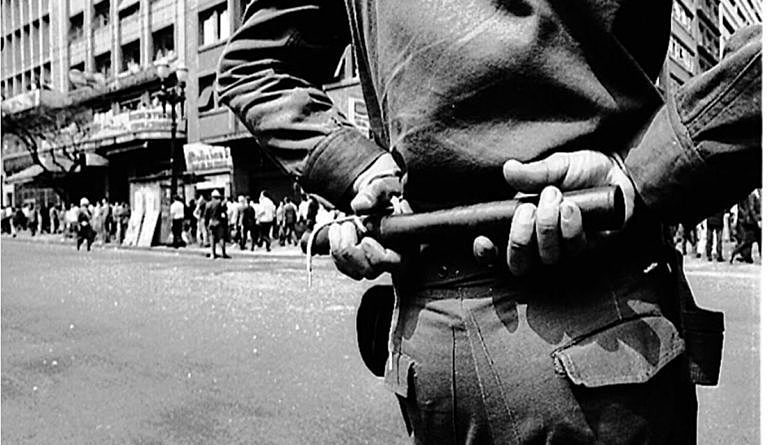
Violência de Gênero
A disciplina oferece uma introdução abrangente às dimensões antropológicas, conceituais e sociais da violência, com foco nas relações de gênero. O curso aborda temas como a construção simbólica da diferença sexual, identidade e participação das mulheres, bem como definições e tipologias da violência (física, psicológica e doméstica). Também examina as implicações jurídicas, políticas e educacionais do problema, articulando discussões sobre poder, família e desigualdade. Ao longo das unidades, busca-se compreender as estruturas que sustentam a violência de gênero e refletir sobre estratégias de prevenção e promoção da igualdade. [Em colaboração com Renata Guadagnin.]
Maestría en Ciencias Criminológico – Forenses
Facultad de Ciencias Jurídicas
Universidad de la Empresa (UDE)
Seminário intensivo de pós-graduação
Outubro — Novembro 2025/2
Gender-based Violence
The course provides a comprehensive introduction to the anthropological, conceptual, and social dimensions of violence, with a focus on gender relations. It addresses topics such as the symbolic construction of sexual difference, women’s identity and participation, as well as definitions and typologies of violence (physical, psychological, and domestic). The course also examines the legal, political, and educational implications of the issue, articulating discussions on power, family, and inequality. Throughout the units, it aims to analyze the structures that sustain gender-based violence and to reflect on strategies for prevention and the promotion of equality. [In collaboration with Renata Guadagnin.]
Master’s Degree in Criminology and Forensic Sciences
School of Law
Universidad de la Empresa (UDE)
Graduate Intensive Course
October — November 2025
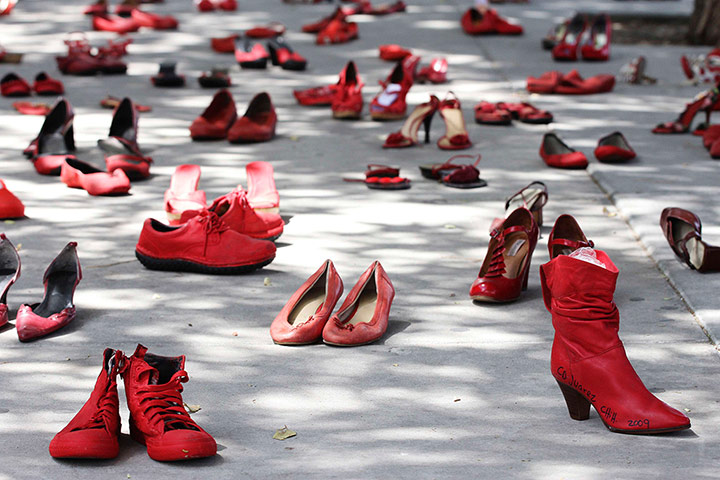
Aspectos da filosofia feminista latinoamericana
O curso explora a filosofia feminista latinoamericana da segunda metade do século XX ao século XXI, abordando temas como feminismo decolonial, epistemologias de resistência e justiça social. Ao longo do percurso, visamos compreender as conexões entre ética, justiça social e movimentos sociais, promovendo uma análise crítica das possibilidades de emancipação e transformação estrutural. A proposta articula leituras teóricas com a investigação de práticas ativistas e arquivos históricos. [Em colaboração com Renata Guadagnin e Nythamar de Oliveira.]
PPG Filosofia
Escola de Humanidades, PUCRS
Disciplina de pós-graduação
Oferecida em 2025/1
Aspects of Latin American Feminist Philosophy
LATAM feminist philosophy from the second half of the 20th century to the twenty-first century, addressing themes such as decolonial feminism, epistemologies of resistance, and social justice. Throughout the course, we seek to understand the connections between ethics, social justice, and social movements, promoting a critical analysis of the possibilities for emancipation and structural transformation. The proposal articulates theoretical readings with the investigation of activist practices and historical archives. [In collaboration with Renata Guadagnin and Nythamar de Oliveira.]
Graduate Program in Philosophy
School of Humanities
Pontifical Catholic University of Rio Grande do Sul
Graduate Course
March — July 2025
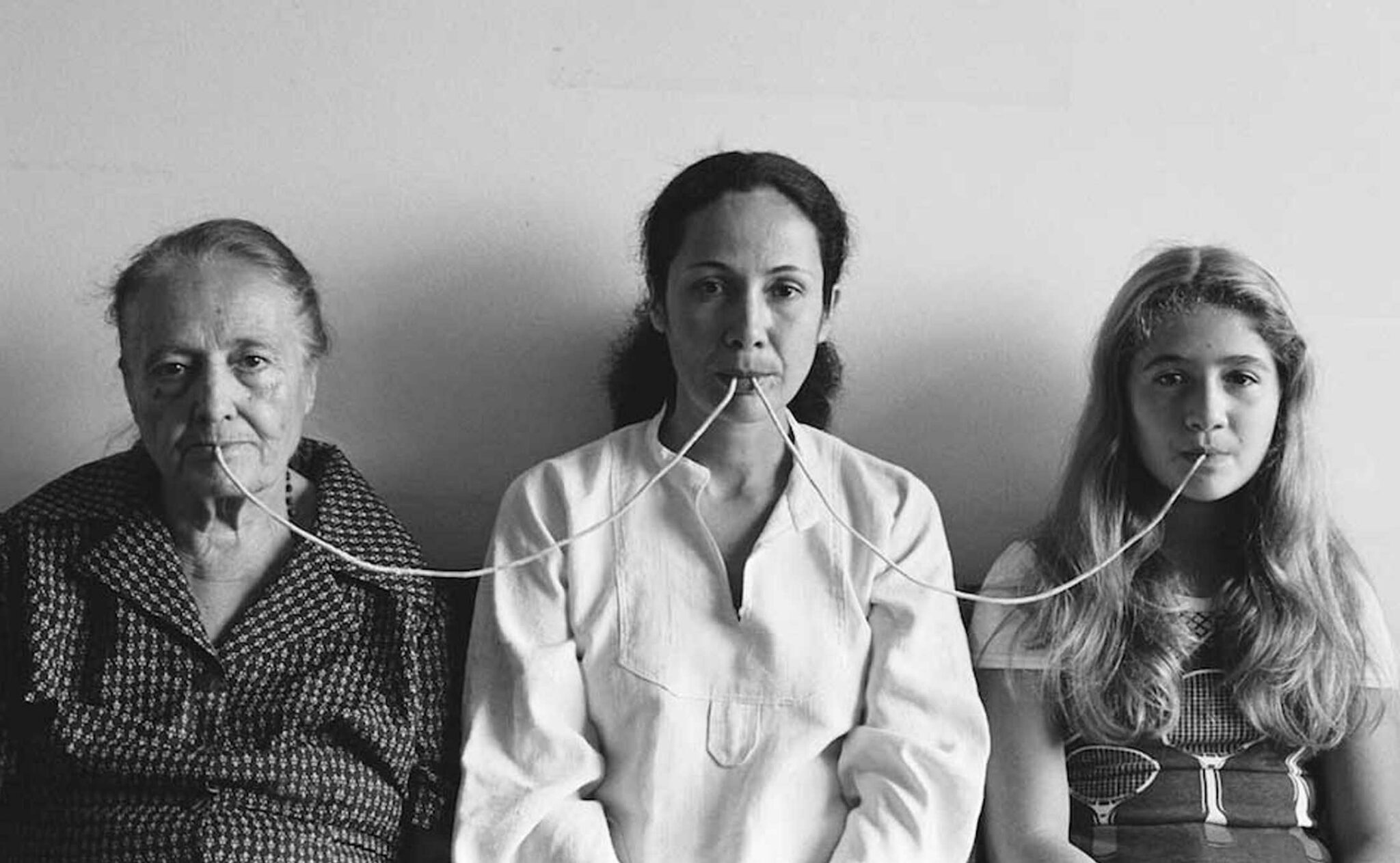
Imagem e legibilidade: para abrir os olhos da história
O curso estuda aprofundadamente o livro Remontagens do tempo sofrido —O olho da história II, de Georges Didi-Huberman. Pretende-se, a partir dele, desenvolver uma compreensão crítica sobre a relação entre imagem, memória e legibilidade na construção do discurso historiográfico; analisar a utilização de imagens como provas documentais em contextos históricos e jurídicos, especialmente relacionadas ao Holocausto; refletir sobre a ética na representação visual de eventos traumáticos e o papel das imagens na dignificação ou humilhação das vítimas; e explorar o conceito de montagem. [Em colaboração com Valéria Cazzeta.]
PPG Estudos Culturais
Escola de Artes, Ciências e Humanidades (EACH), USP
Disciplina de pós-graduação
Oferecida em 2025/1
Image and Legibility: Opening the Eyes of History
In-depth study of the book Remontages du temps subi — L’Œil de l’Histoire II, by Georges Didi-Huberman. Drawing on this work, the course develops a critical understanding of the relationship between image, memory, and legibility in the construction of historiographical discourse. It also examines the use of images as documentary evidence in historical and legal contexts, particularly those related to the Holocaust; reflects on the ethics of representing traumatic events visually and on the role of images in the dignification or humiliation of victims; and explores the concept of montage. [In collaboration with Valéria Cazzeta.]
Graduate Program in Cultural Studies
School of Arts, Sciences and Humanities
University of São Paulo
Graduate Course
March — July 2025
Iconologia política: uma educação pelas imagens
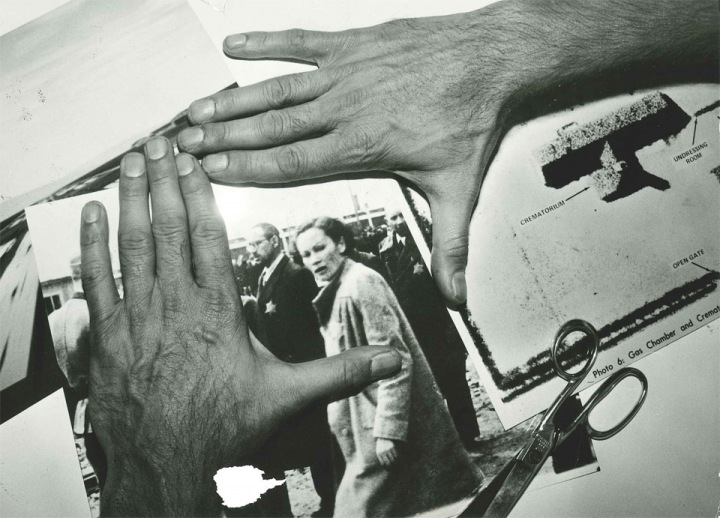
Disciplina dedicada ao estudo aprofundado do livro Imagens apesar de tudo, em que Georges Didi-Huberman analisa quatro fotografias capturadas, em agosto de 1944, por membros do Sonderkommando no campo de extermínio de Auschwitz-Birkenau ainda em funcionamento. Seguindo o argumento dos dois ensaios, procura-se compreender o procedimento da montagem e da produção da iconologia política. [Em colaboração com Valéria Cazzeta.]
PPG Estudos Culturais
Escola de Artes, Ciências e Humanidades (EACH), USP
Disciplina de pós-graduação
Oferecida em 2024/2
Political Iconology: An Education Through Images
In-depth study of the book Images in Spite of All, in which Georges Didi-Huberman analyzes four photographs taken in August 1944 by members of the Sonderkommando inside the Auschwitz-Birkenau extermination camp while it was still in operation. Following the argument developed in the two essays that compose the book, the course seeks to understand the procedures of montage and the production of political iconology. [In collaboration with Valéria Cazzeta.]
Graduate Program in Cultural Studies
School of Arts, Sciences and Humanities
University of São Paulo
Graduate Course
August — September 2024
Decolonialidade, feminismo e racialização: abordagens críticas para emancipação
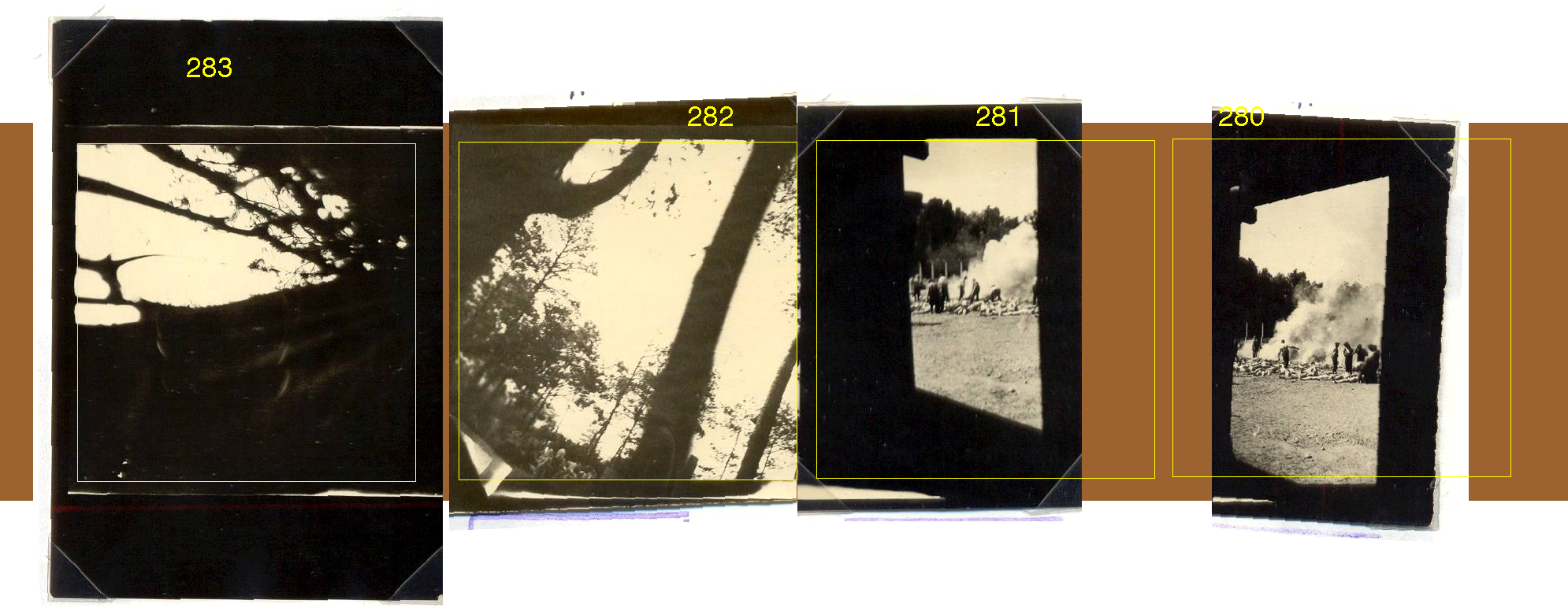
Seminário focado na apresentação de e no debate sobre teorias críticas feministas e interseccionais. Dando ênfase a abordagens contemporâneas e desenvolvendo críticas antirracistas, queer e decoloniais, o percurso estimula a mobilização dessas perspectivas na análise de fenômenos que permeiam a vida sociopolítica atual. [Em colaboração com Camila Barbosa, Renata Guadagnin e Nythamar de Oliveira]
PPG Filosofia
Escola de Humanidades, PUCRS
Disciplina de pós-graduação
Oferecida em 2024/1
Decoloniality, Feminism, and Racialization: Critical Approaches to Emancipation
Presentation and critical discussion of feminist and intersectional theories. Emphasizing contemporary approaches and developing antiracist, queer, and decolonial critiques, the course encourages the application of these perspectives to the analysis of phenomena shaping contemporary sociopolitical life. [Developed in collaboration with Camila Barbosa, Renata Guadagnin, and Nythamar de Oliveira]
Graduate Program in Philosophy
School of Humanities
Pontifical Catholic University of Rio Grande do Sul
Graduate Course
March — July 2024
Tópicos Especiais: Atlas de imagens
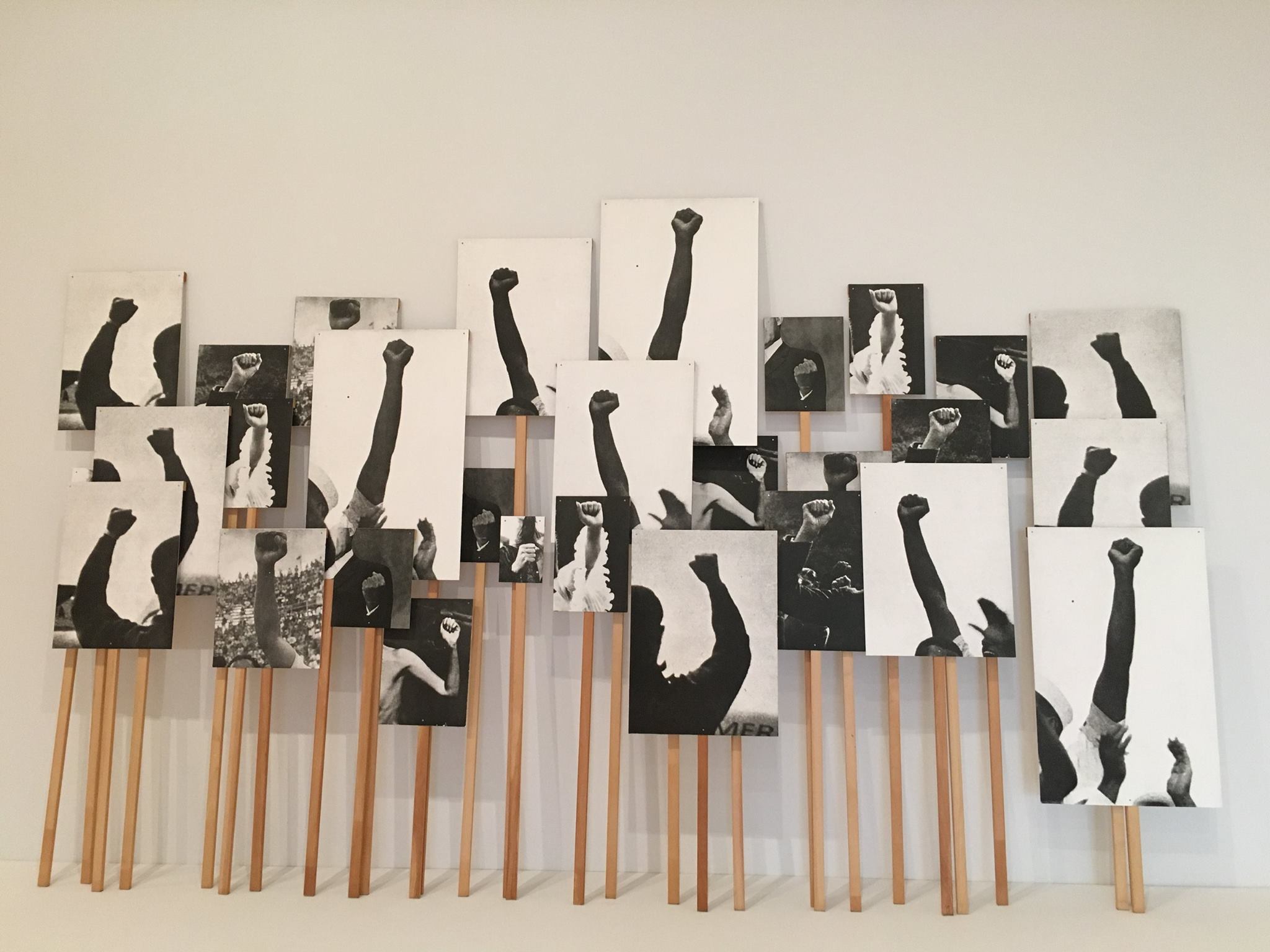
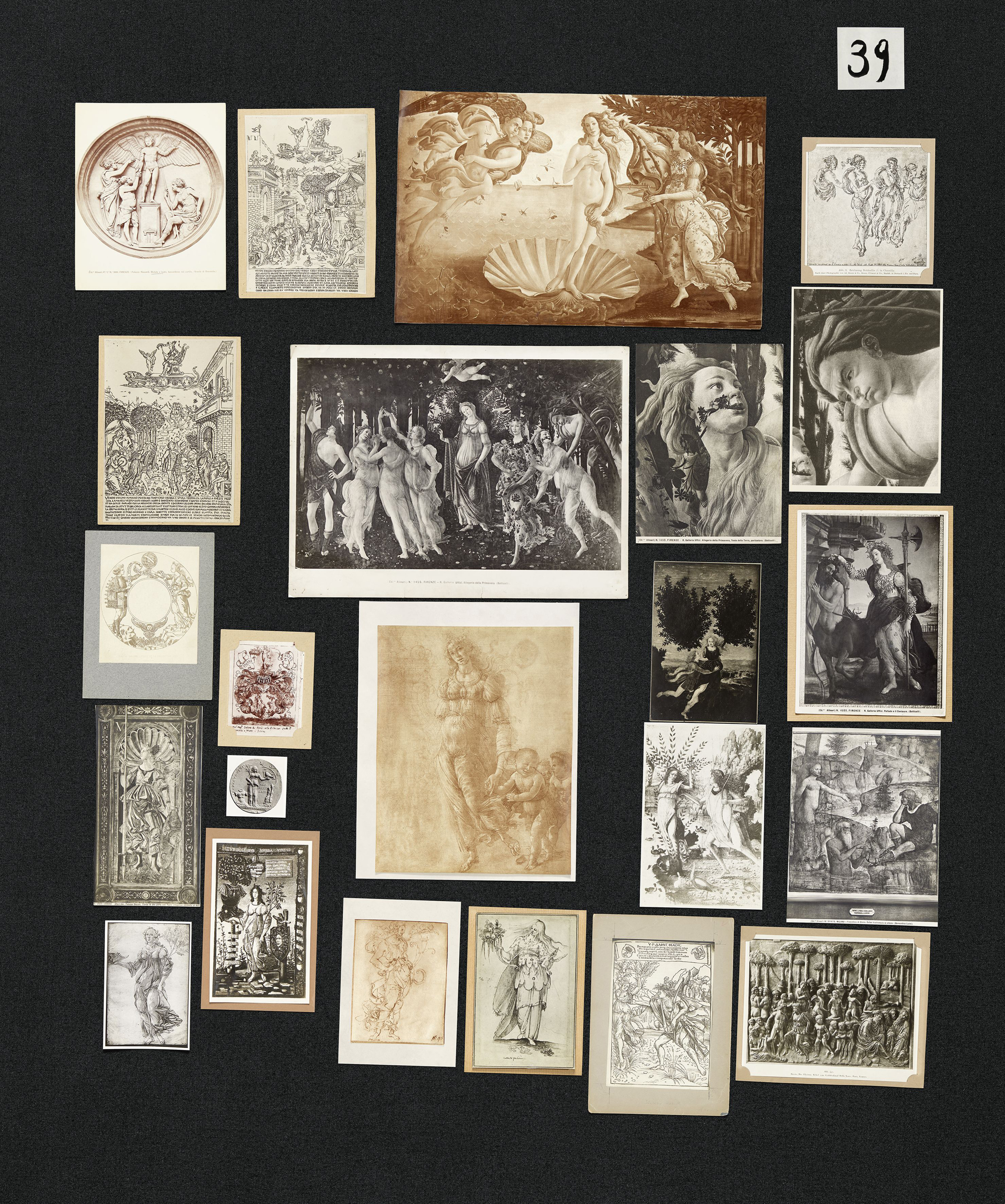
Disciplina de caráter teórico-prático focada no desenvolvimento do procedimento do “atlas de imagens”, baseado no Bilderatlas Mnemosyne de Aby Warburg. Apresentando e desenvolvendo o procedimento warburguiano do atlas de imagens, o objeto é compreender a imagem como uma forma de pensamento, e a montagem visual como técnica de produção de sentido. Trabalhamos com imagens a partir do ponto de vista da montagem e do anacronismo, e procuramos problematizar diferentes posicionamentos teóricos adotados diante de materiais visuais. Ao final, está previsto o exercício de criação orientada de uma prancha de imagens.
Departamento de Comunicação Visual
Escola de Belas Artes, UFRJ
Disciplina de graduação
Oferecida em 2022/ 1 e 2022/2
Special Topics: Bilderatlas
This theoretical–practical course focuses on the development of the “image atlas” procedure, grounded in the Bilderatlas Mnemosyne by Aby Warburg. By introducing and elaborating Warburg’s atlas methodology, the course approaches the image as a form of thought and visual montage as a technique for the production of meaning. Working with images from the perspectives of montage and anachronism, the course problematizes distinct theoretical positions adopted in relation to visual materials. The program culminates in a guided exercise involving the creation of an original image plate.
Department of Visual Communication
School of Fine Arts
Federal University of Rio de Janeiro
Undergraduate Course
March — July 2022
August — December 2022
Teoria do Design II
Disciplina dedicada a apresentar e debater as abordagens filosóficas e estéticas contemporâneas do design (concepção e projeto). São abordadas as principais correntes teóricas da disciplina, e investigadas as relações de cada uma com seu contexto político e econômico, com o objetivo de estimular o pensamento crítico a respeito dos cânones da área. São também exploradas noções de linguagem, sintaxe e estilo gráfico.
Departamento de Comunicação Visual
Escola de Belas Artes, UFRJ
Disciplina de graduação
Oferecida em 2022/ 1 e 2022/2
Design Theory II
This undergraduate course is devoted to presenting and critically examining contemporary philosophical and aesthetic approaches to design (conception and project development). It surveys the principal theoretical frameworks in the field and investigates their relations to specific political and economic contexts, with the aim of fostering critical reflection on disciplinary canons. The course also addresses key notions of visual language, syntax, and graphic style.
Department of Visual Communication
School of Fine Arts
Federal University of Rio de Janeiro
Undergraduate Course
March — July 2022
August — December 2022

Mídia Digital II
A disciplina aborda o ambiente digital a partir de uma perspectiva teórico-prática e direta, apresentando conceitos centrais como mídia, meio e mensagem, cibercultura e cultura da convergência, avançando para questões aplicadas como interatividade, design centrado no usuário, layouts líquidos e storytelling para mídias digitais. Na segunda parte do semestre, o foco recai sobre desenho de interação e arquitetura da informação, articulando fundamentos conceituais e desenvolvimento de projetos.
Departamento de Comunicação Visual
Escola de Belas Artes, UFRJ
Disciplina de graduação
Oferecida em 2022/ 1 e 2022/2
Digital Media II
The course approaches the digital environment from a direct theoretical-practical perspective, introducing core concepts such as media, medium, and message, cyberculture, and convergence culture, and moving toward applied topics including interactivity, user-centered design, fluid layouts, and digital storytelling. In the second part of the semester, the focus shifts to interaction design and information architecture, articulating conceptual foundations with project development.
Department of Visual Communication
School of Fine Arts
Federal University of Rio de Janeiro
Undergraduate Course
March — July 2022
August — December 2022
Projeto de Zine e Fotolivro
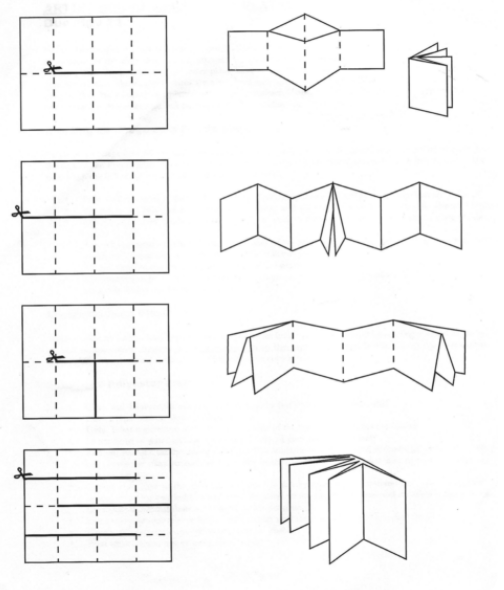
A disciplina propõe o desenvolvimento de publicações artesanais inspiradas nas práticas do zine/fanzine e na editoração de fotolivros, articulando experimentação estética e reflexão crítica. O curso aborda a história das publicações alternativas e independentes, ao mesmo tempo em que apresenta as etapas de criação editorial com ênfase no pensamento projetual voltado a livros baseados em imagens. Ao longo do semestre, os estudantes irão planejar e produzir exercícios de publicação em formatos digitais e impressos, explorando relações entre fotografia, design e narrativa, bem como estratégias de circulação e autonomia no campo editorial.
Departamento de Comunicação Visual
Escola de Belas Artes, UFRJ
Disciplina de graduação
Oferecida em 2022/ 1 e 2022/2
Zine and Photobook Project
The course focuses on the development of handmade publications inspired by zine/fanzine practices and photobook publishing, combining aesthetic experimentation with critical reflection. It introduces the history of alternative and independent publications while presenting the stages of editorial creation, with particular emphasis on the project-based thinking required for image-driven books. Throughout the semester, students will plan and produce both digital and print publication exercises, exploring the intersections of photography, design, and narrative, as well as strategies for circulation and autonomy within the publishing field.
Department of Visual Communication
School of Fine Arts
Federal University of Rio de Janeiro
Undergraduate Course
March — July 2022
August — December 2022
Da fotografia à política: introdução ao pensamento de Ariella Aïsha Azoulay
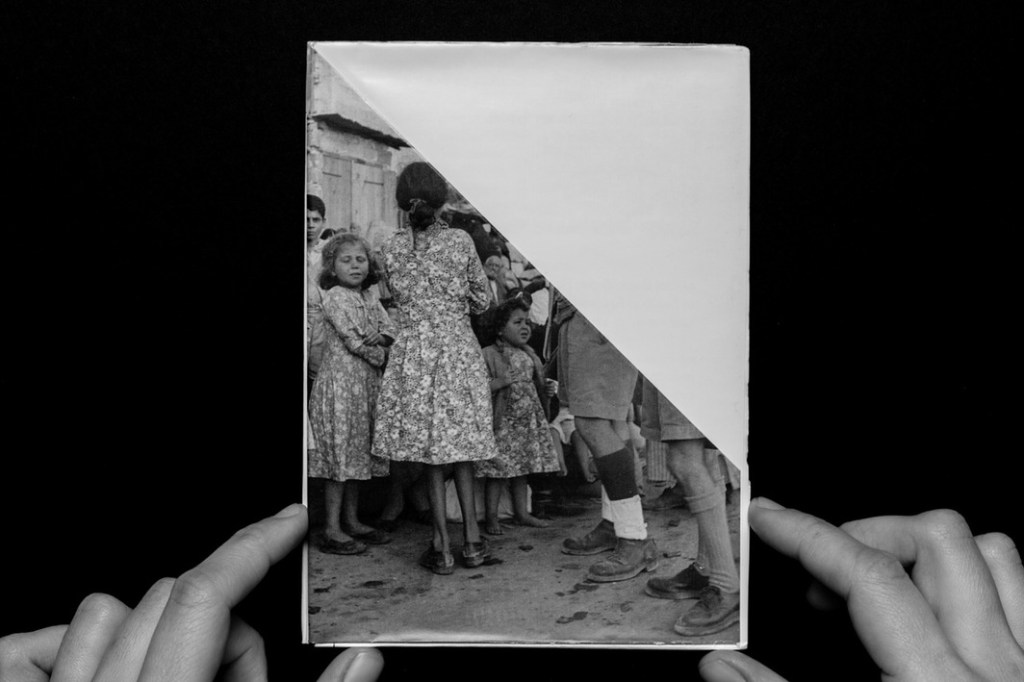
Curso de curta duração que apresenta os argumentos centrais da proposta teórica de Ariella Aïsha Azoulay, que conecta a prática fotográfica e os modos contemporâneos da cultura visual às práticas políticas. Investiga-se os pontos-chave da ontologia política proposta e problematiza entendimentos tradicionais de cidadania, história e direitos humanos, enfatizando a importância dos processos mundanos que criam mundos e dos processos de violência imperial que criam o passado.
Associação de Pesquisas e Práticas em Humanidades (APPH)
Curso de curta duração (15h)
Oferecido em 2024 e 2026
From Photography to Politics: Introduction to Ariella Aïsha Azoulay
Short course presenting the central arguments of the theoretical proposal developed by Ariella Aïsha Azoulay, which connects photographic practice and contemporary modes of visual culture to political practices. The course examines key aspects of her proposed political ontology and critically interrogates traditional understandings of citizenship, history, and human rights, emphasizing the importance of worldly processes that create worlds and of imperial forms of violence that produce the past.
Association for Research and Practice in Humanities
Short Course (15 hours)
Editions in 2024 and 2026
Recuperar o sensível: introdução ao pensamento estético de Susan Sontag
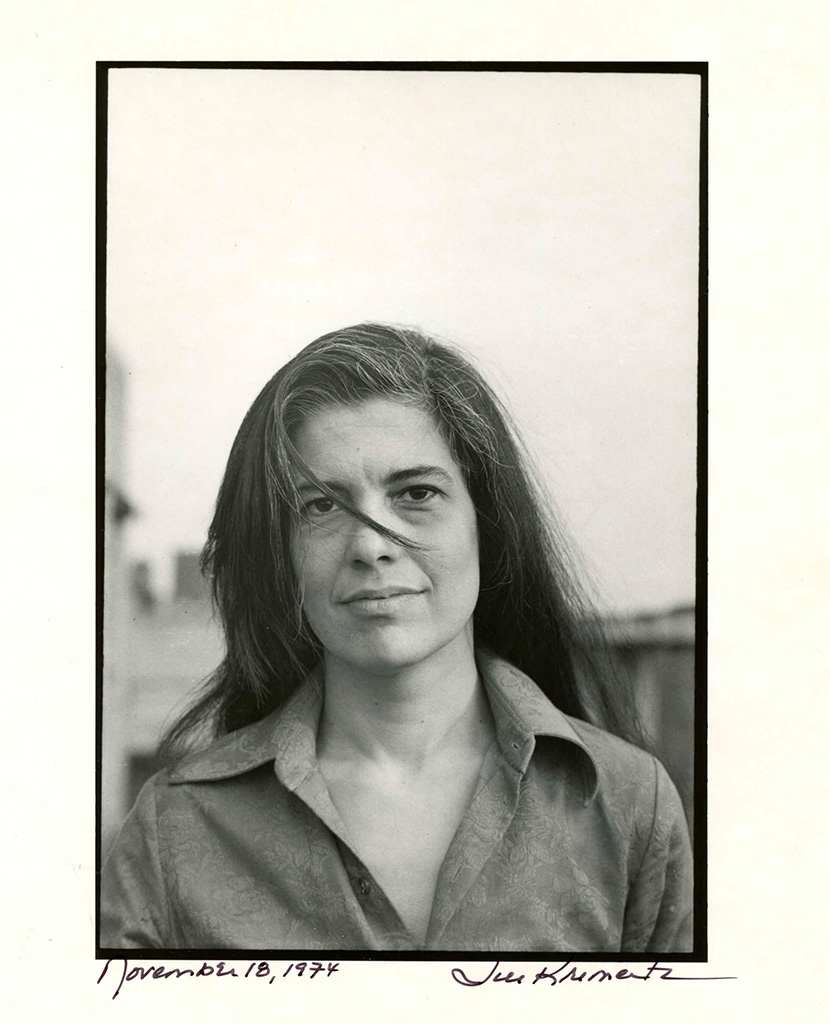
Este curso de curta duração apresenta e discute aspectos do pensamento da filósofa norte-americana Susan Sontag. Dedicado a investigar como os dilemas estéticos aparecem em suas problematizações, ancoramos a discussão em um conjunto de textos essenciais para compreender as suas propostas. Nome incontornável no debate intelectual contemporâneo e personagem assídua no endereçamento de grandes temas estéticos do século XX, o trabalho crítico e ensaístico da autora costuma ter sua recepção apreciada de maneira informal e dispersa. Neste percurso, buscamos reconstruir os fundamentos de suas análises, traçando uma linha de coerência que atravessa seus diferentes projetos e incursões intelectuais.
Associação de Pesquisas e Práticas em Humanidades (APPH)
Curso de curta duração (15h)
Novembro — Dezembro 2025
Recovering the Sensible: An Introduction to the Aesthetic Thought of Susan Sontag
This short course presents and discusses key aspects of the thought of the American philosopher Susan Sontag. Devoted to investigating how aesthetic dilemmas emerge in her reflections, the course is anchored in a set of essential texts for understanding her theoretical proposals. An indispensable figure in contemporary intellectual debate and a frequent interlocutor of the major aesthetic questions of the twentieth century, Sontag’s critical and essayistic work is often received in an informal and dispersed manner. This course seeks to reconstruct the foundations of her analyses, tracing a line of coherence that runs through her diverse intellectual projects and interventions.
Association for Research and Practice in Humanities
Short Course (15 hours)
November — December 2025
Arquivo colonial: desmontagens e ficções emancipatórias
Este seminário explora a tomada do arquivo histórico visual do Brasil colônia, régio e imperial como matriz de remontagens, trabalhando noções como arqueologia visual, gaio saber e especulação fabulativa. Investigação de ferramentas e metodologias de releitura de arquivos, disparadores de um processo de montagem crítica e de construção emancipada da memória latinoamericana.
Associação de Pesquisas e Práticas em Humanidades (APPH)
Curso de curta duração (15h)
Novembro 2024
Colonial Archive: Dismantlings and Emancipatory Fictions
This seminar explores the visual historical archive of colonial, royal, and imperial Brazil as a matrix for processes of remounting and reinterpretation. It mobilizes concepts such as visual archaeology, gai savoir, and fabulative speculation, while investigating tools and methodologies for rereading archival materials. These approaches function as catalysts for a process of critical montage and for the emancipatory reconstruction of Latin American memory.
Association for Research and Practice in Humanities
Short Course (15 hours)
November 2024
Contra a história imperial: desaprender, reivindicar, reparar
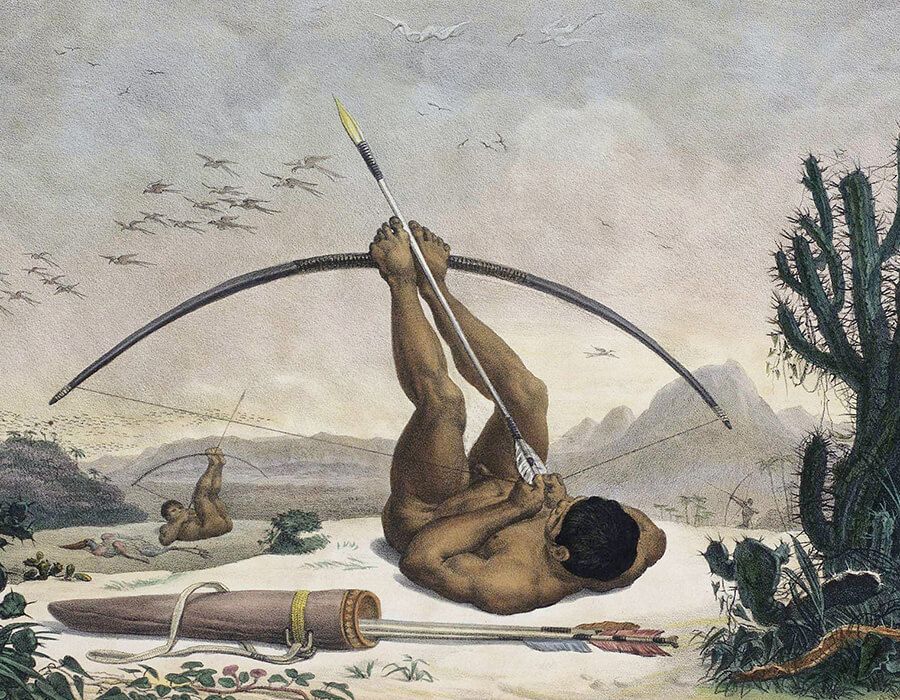
Minicurso dedicado a apresentar as propostas do livro História potencial, de Ariella Aïsha Azoulay. Na obra, a autora investiga as consequências de se abordar o imperialismo como uma forma de poder não só político mas também ontológico, que opera através de fotografias, arquivos e museus. As tecnologias e discursos produtores do “passado” dão seguimento a um discurso violento que distribui desigualmente os direitos no mundo imperial. São apresentadas noções como a desaprendizagem do imperialismo, o trabalho das reparações e a condição da mundanidade.
Ubu em curso (Editora Ubu)
Curso de curta duração (2h)
Maio 2024
Against Imperial History: Unlearning, Reclaiming, Repairing
Short course dedicated to presenting the central arguments of Potential History, by Ariella Aïsha Azoulay. In this work, the author examines the consequences of approaching imperialism as a form of power that is not only political but also ontological, operating through photographs, archives, and museums. The technologies and discourses that produce the “past” perpetuate a violent framework that unequally distributes rights within the imperial order. The course introduces key concepts such as unlearning imperialism, the labor of repair, and the condition of worldliness.
Ubu Publisher Courses
Short Course (2 hours)
May 2024
Estudos Visuais Críticos: formas para situar o olhar
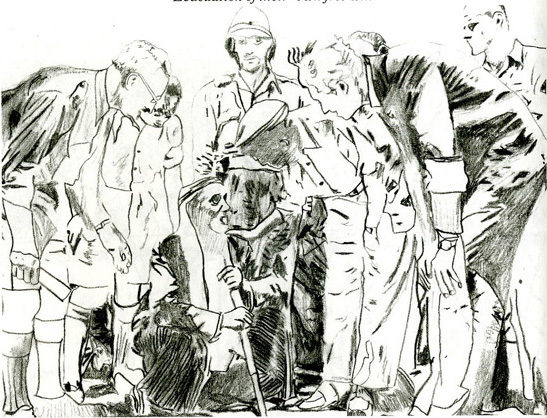
Curso de curta duração com o objetivo de apresentar algumas das principais discussões do emergente campo dos estudos críticos de Cultura Visual. Exploramos investigações sobre as práticas do olhar e da produção, circulação e impacto de imagens visuais, objetos, experiências e práticas envolvendo a cultura visual contemporânea. A discussão tem como base o trabalho recente de Anne Lafont, Ariella Aïsha Azoulay, Natalia Brizuela, Rita Segato, Saidiya Hartman e Tina Campt.
Associação de Pesquisas e Práticas em Humanidades (APPH)
Curso de curta duração (15h)
Abril — Maio 2024
Critical Visual Studies: paths for a situated gaze
This short course introduces key debates within the emerging field of Critical Visual Culture Studies. It examines inquiries into practices of seeing and into the production, circulation, and impact of visual images, objects, and experiences within contemporary visual culture. The discussion is grounded in recent work by Anne Lafont, Ariella Aïsha Azoulay, Natalia Brizuela, Rita Segato, Saidiya Hartman, and Tina Campt.
Association for Research and Practice in Humanities
Short Course (15 hours)
April — May 2024
Histórias de gente grande para fantasmas: introdução ao pensamento de Aby Warburg
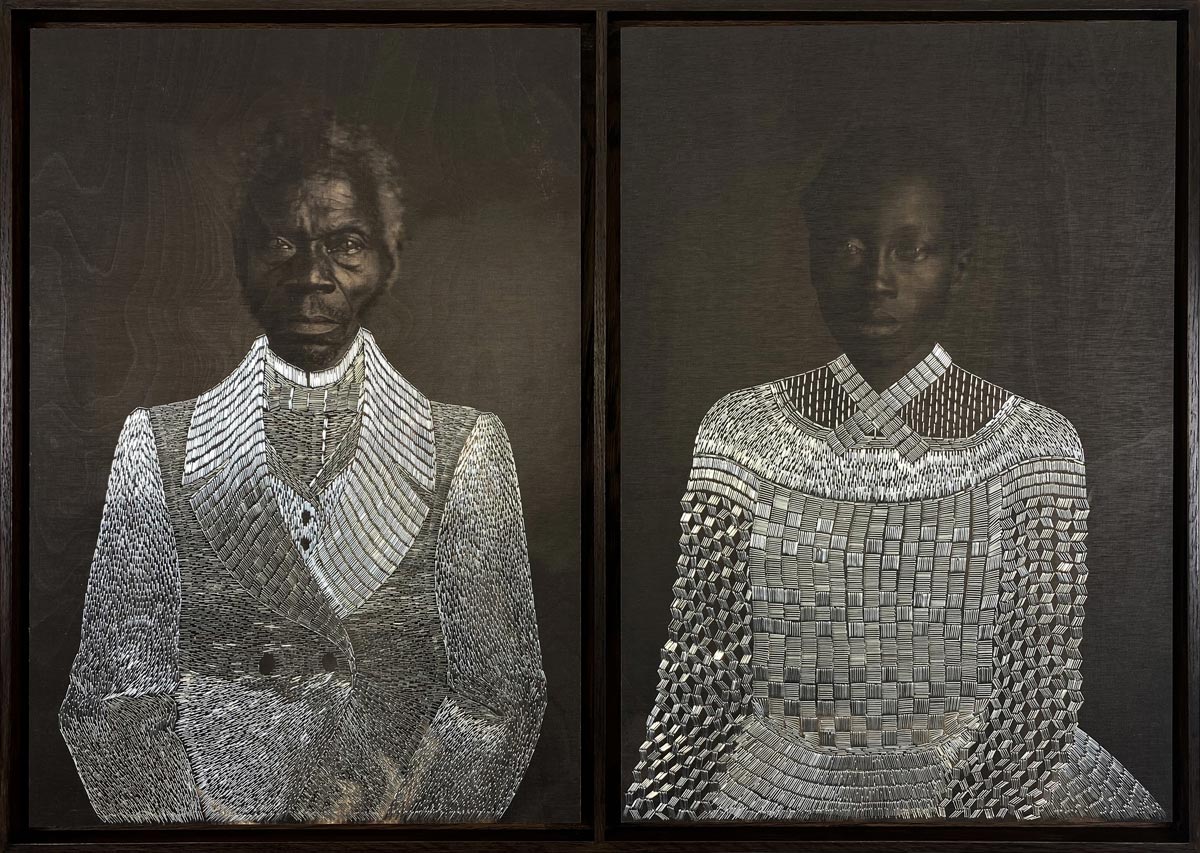
Curso de curta duração que oferece uma entrada na obra de Aby Warburg, apontando os principais estudos e criações presentes sem seus trabalhos publicados mais famosos. Incomum historiador da arte e da cultura, foi o criador da Kulturwissenschaftliche Bibliothek e de uma interpretação particular para pensar a influência da Antiguidade pagã nas práticas culturais e artísticas modernas e contemporâneas. Exploramos neste percurso aspectos do Bilderatlas Mnemosyne, seu trabalho sobre a história da arte ocidental, a mitologia ameríndia e a astrologia.
Associação de Pesquisas e Práticas em Humanidades (APPH)
Curso de curta duração (15h)
Oferecido em 2021 e 2022
Grown-up Stories for Ghosts: An Introduction to Aby Warburg
This short course offers an introduction to the work of Aby Warburg, highlighting the principal studies and conceptual innovations articulated in his most influential publications. An unconventional historian of art and culture, Warburg founded the Kulturwissenschaftliche Bibliothek Warburg and developed a distinctive interpretative framework for understanding the survival and transformation of pagan antiquity within modern and contemporary cultural and artistic practices. The course examines key aspects of the Bilderatlas Mnemosyne, alongside Warburg’s investigations into the history of Western art, Amerindian mythology, and astrology.
Association for Research and Practice in Humanities
Short Course (15 hours)
Editions in 2021 and 2022
A superfície do abismo: Introdução ao pensamento de Vilém Flusser
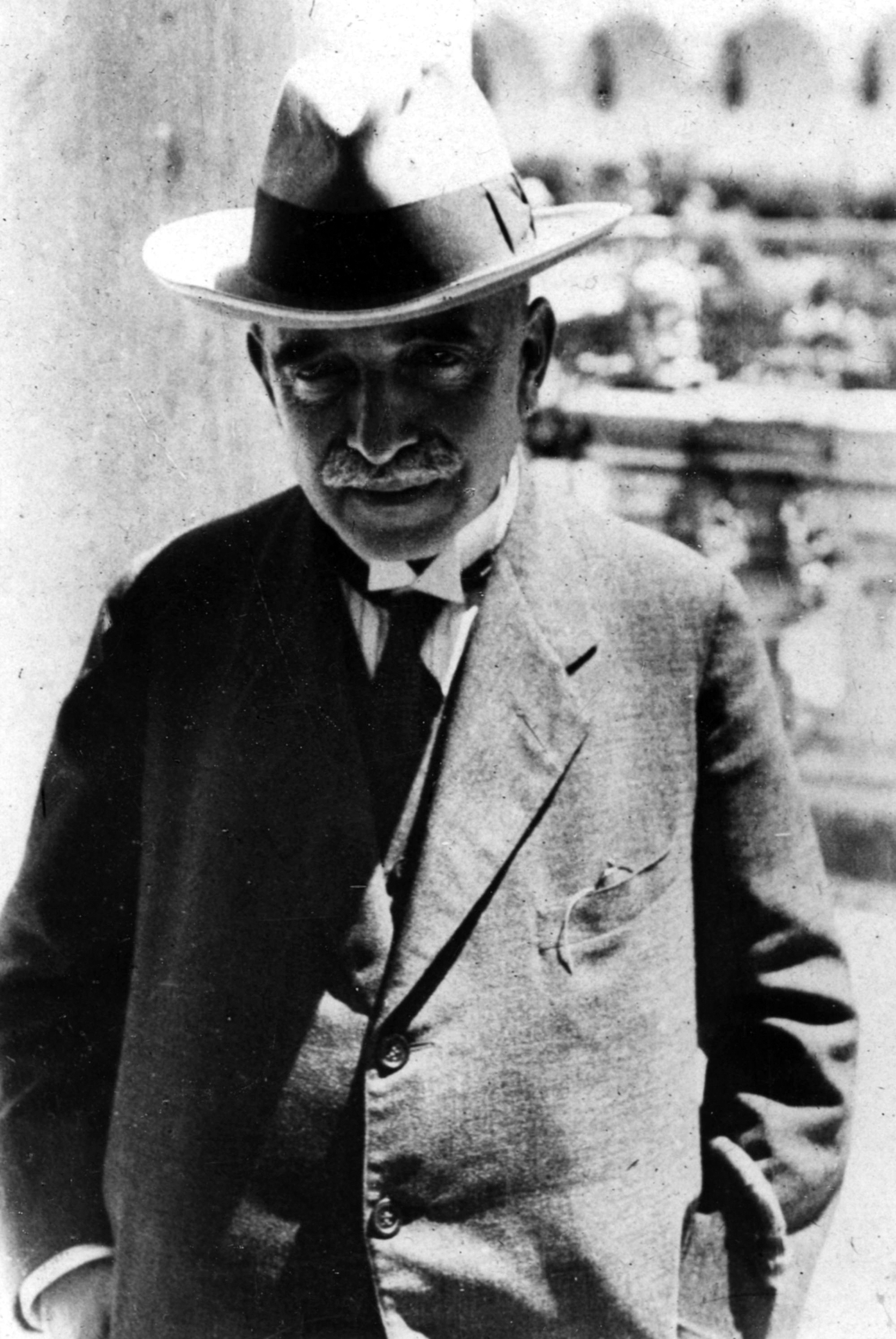
Articulando uma perspectiva singular sobre temas como linguagem, imagem e tecnologia, o filósofo tcheco-brasileiro Vilém Flusser foi um pensador fundamental do nosso tempo. Este curso oferece um panorama sobre a obra do autor, com foco nos diálogos e traduções que ele operou entre a escrita e a fotografia, a comunicação e o design e a crítica e a existência. Vamos conhecer os conceitos-chave do pensamento flusseriano como imagem-técnica, caixa-preta, pós-história e sociedade administrativa através das discussões apresentadas em seus principais livros. [Em colaboração com André Araujo].
Associação de Pesquisas e Práticas em Humanidades (APPH)
Curso de curta duração (15h)
Julho 2022
The Surface of the Abyss: An Introduction to the Thought of Vilém Flusser
Articulating a singular perspective on themes such as language, image, and technology, the Czech-Brazilian philosopher Vilém Flusser was a key thinker of our time. This course offers an overview of his work, focusing on the dialogues and translations he developed between writing and photography, communication and design, and critique and existence. It introduces central concepts of Flusserian thought—such as technical images, the black box, post-history, and the administrative society—through discussions of his major books.[In collaboration with André Araujo]
Association for Research and Practice in Humanities
Short Course (15 hours)
July 2022
O olho da história: o gaio saber visual de Didi-Huberman
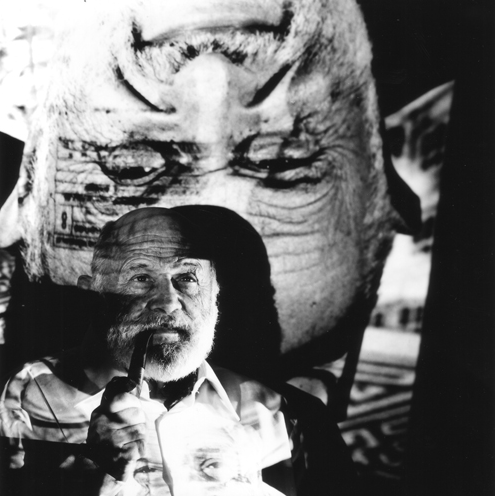
Curso de curta duração dedicado à série de livros O olho da história de Georges Didi-Huberman, na qual o filósofo destaca o papel da imagem na legibilidade da história e propõe uma “política da imaginação” a partir do arquivo visual, do cinema e da fotografia contemporâneas de Aby Warburg, Bertolt Brecht, Harun Farocki, Sergei Eisenstein, dentre outros. Nessas obras, o pensamento ensaístico do autor é um operador teórico-metodológico aliado a noções como o gaio saber visual, o poder negativo da imagem e imagem dialética.
Associação de Pesquisas e Práticas em Humanidades (APPH)
Curso de curta duração (15h)
Oferecido em 2021, 2022, 2024 e 2025
The Eye of the History: Didi-Huberman’s Gayan Visual Knowledge
This course is devoted to The Eye of History, the book series by Georges Didi-Huberman, in which the philosopher foregrounds the role of images in the legibility of history and advances a “politics of imagination” grounded in visual archives, cinema, and contemporary photography. Drawing on figures such as Aby Warburg, Bertolt Brecht, Harun Farocki, and Sergei Eisenstein, the course examines how Didi-Huberman’s essayistic mode of thought operates as a theoretical–methodological tool, articulated through concepts such as gay visual knowledge, the negative power of images, and the dialectical image.
Association for Research and Practice in Humanities
Short Course (15 hours)
Editions in 2021, 2022, 2024 and 2025
Como permanecer no dilema: introdução ao pensamento de Didi-Huberman
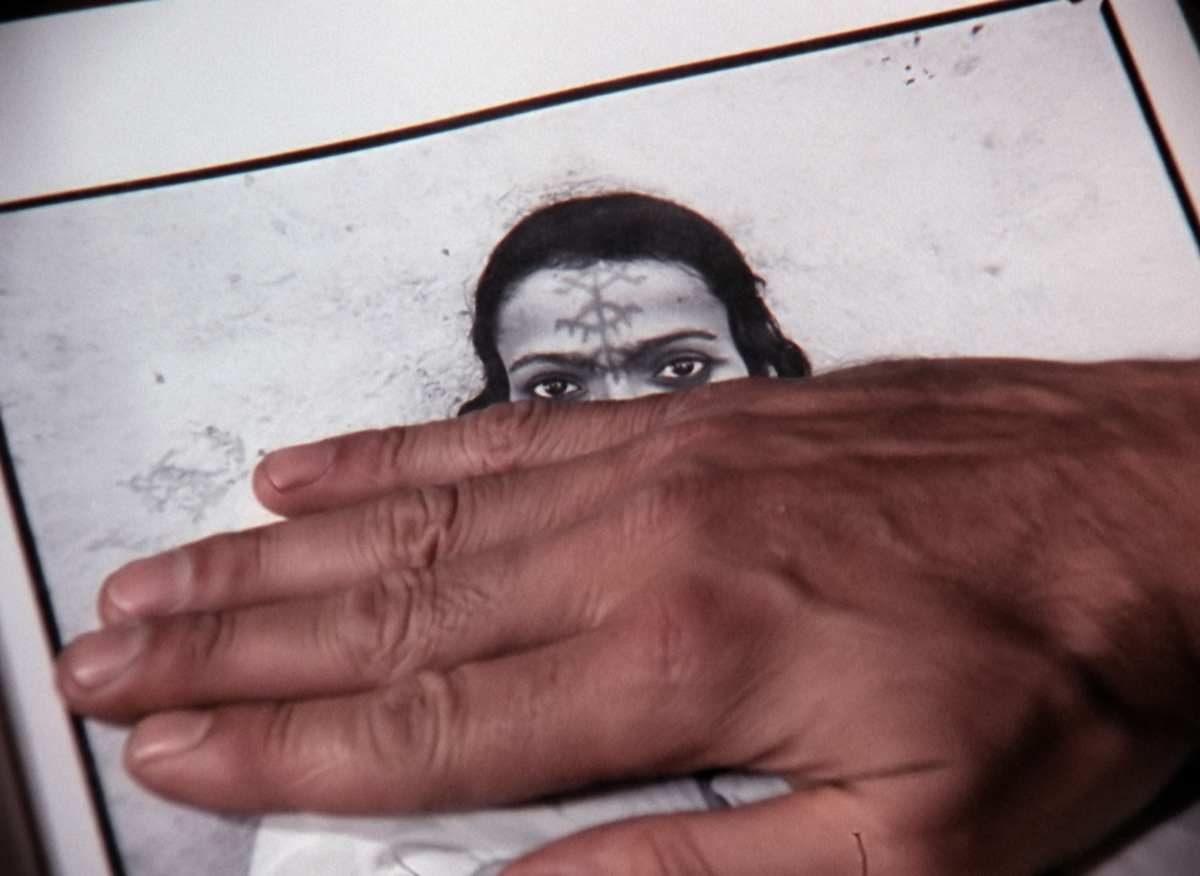
Este curso de curta duração apresenta as propostas teóricas da filosofia de Georges Didi-Huberman através dos seus principais textos, situando-os ao longo de sua trajetória de pesquisa. O percurso apresenta estudos de caso trabalhados pelo autor ao longo das últimas quadro décadas na sua extensa obra, desde as discussões pertinentes à história da arte até o cinema contemporâneo, a escultura e a produção de políticas de imaginação.
Associação de Pesquisas e Práticas em Humanidades (APPH)
Curso de curta duração (15h)
Oferecido em 2020, 2021, 2022 e 2023
Remaining with the Dilemma: An Introduction to Didi-Huberman
This short course presents the central theoretical propositions of Georges Didi-Huberman through a close reading of his major texts, situating them within the broader arc of his intellectual trajectory. The program explores key case studies developed by the author over the past four decades in his extensive body of work, ranging from debates in art history to contemporary cinema, sculpture, and the production of imaginative politics.
Association for Research and Practice in Humanities
Short Course (15 hours)
Editions in 2020, 2021, 2022, and 2023

Introdução aos Estudos Visuais: imagens, visualidade e representação
Este curso oferece uma possível entrada no extenso campo dos Estudos Visuais, uma área de pesquisa cujas fronteiras começaram a se delinear nos Estados Unidos a partir da década de 1990 como um desdobramento do campo dos estudos culturais. O curso explora o trabalho de autores como W.T.J. Mitchell, Nicholas Mirzoeff, Horst Bredekamp, Martin Jay, Jonathan Crary, Régis Debray e Jacques Rancière, questões conceituais básicas e tópicos contemporâneos que tem exigido um posicionamento mais contundente do campo, tais como as criticas decoloniais e feministas.
Associação de Pesquisas e Práticas em Humanidades (APPH)
Curso de curta duração (15h)
Oferecido em 2021
Critical Visual Studies: paths for a situated gaze
This course offers a possible entry point into the vast field of Visual Studies, a research area whose contours began to take shape in the United States in the 1990s as an outgrowth of Cultural Studies. The course explores the work of authors such as W. T. J. Mitchell, Nicholas Mirzoeff, Horst Bredekamp, Martin Jay, Jonathan Crary, Régis Debray, and Jacques Rancière, as well as core conceptual questions and contemporary issues that have called for a more explicit positioning within the field, including decolonial and feminist critiques.
Association for Research and Practice in Humanities
Short Course (15 hours)
April 2021
Monstros nas imagens e literaturas
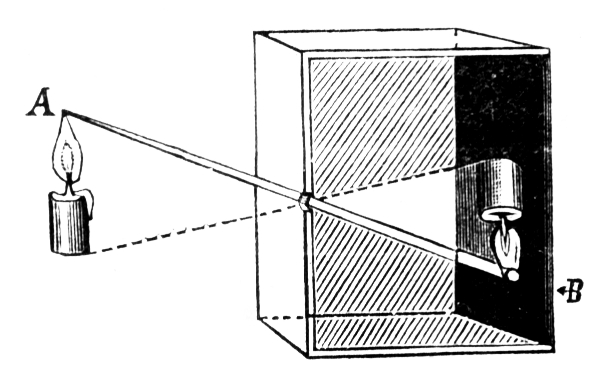
Curso de curta duração que explora, a partir da literatura latino-americana e da história da cultura visual, as maneiras pelas quais as monstruosidades estão presentes nas narrativas de diversas sociedades humanas. A leitura foucaultiana desses corpos híbridos, assustadores e encantadores discute de que maneira vampiros, melusinas, sereias e demônios oferecem figurações sociopolíticas da saúde, do conhecimento e da moral. [Em colaboração com Priscilla Campos]
Associação de Pesquisas e Práticas em Humanidades (APPH)
Curso de curta duração (15h)
Oferecido em 2021 e 2022
Monsters in Images and Literature
This short course explores, through Latin American literature and the history of visual culture, the ways in which monstrosities emerge within the narratives of diverse human societies. Drawing on a Foucauldian framework, the course examines how hybrid, unsettling, and enchanting bodies function as sociopolitical figurations of health, knowledge, and morality. Figures such as vampires, melusines, mermaids, and demons are analyzed as symbolic operators through which cultural anxieties and normative regimes are articulated. [In collaboration with Priscilla Campos]
Association for Research and Practice in Humanities
Short Course (15 hours)
Editions in 2021 and 2022

De que é feita a fotografia?
O curso propõe uma introdução concisa às relações entre fotografia e real, explorando questões ontológicas a partir de autores clássicos dos Estudos de Fotografia. Ao longo de dois encontros, aborda tanto as dimensões estéticas e a produção de sentido nas imagens quanto os modos de representação — como ícone, índice e símbolo —, articulando debates sobre documentário, ficção e objetividade. Voltado a interessados em fotografia, jornalismo e semiótica, não exige pré-requisitos.
Cursos Livres de Verão UniRitter
Curso de curta duração (8h)
Junho 2015
What Is Photography Made Of?
The course offers a concise introduction to the relationship between photography and reality, exploring ontological questions through key texts in Photography Studies. Across two sessions, it addresses both aesthetic dimensions and meaning-making in images, as well as modes of representation—such as icon, index, and symbol—engaging debates on documentary, fiction, and objectivity. Designed for those interested in photography, journalism, and semiotics, it has no prerequisites.
UniRitter Summer School
Short Course (8 hours)
June 2015